What is a Waterproof Drone and How Does It Work?
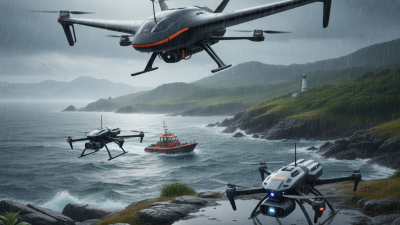
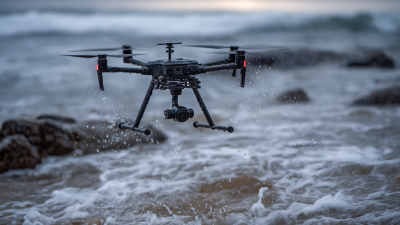
Waterproof drones are increasingly popular in various industries. These innovative devices are designed to operate seamlessly in wet conditions. From capturing stunning aerial footage during rainstorms to conducting critical search and rescue missions, waterproof drones offer impressive versatility.
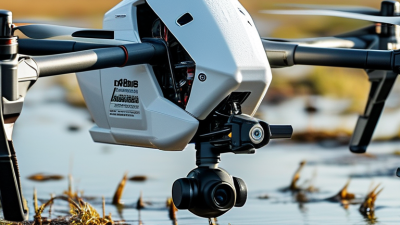
Understanding how a waterproof drone works is essential for users. Typically, these drones feature special seals and coatings to prevent water damage. The technology allows them to float or even dive in water. Their robustness makes them reliable in adverse weather conditions. However, users must still be cautious. Despite their design, waterproof drones have limitations and require proper maintenance.
In many cases, potential users may not realize the importance of environmental factors. Some waterproof drones cannot operate effectively in saltwater, which can corrode components over time. Knowing these details ensures responsible use. As with any technology, understanding both the advantages and drawbacks is vital. Embracing this knowledge can enhance the user experience and extend the drone's lifespan.
What Constitutes a Waterproof Drone: Key Features and Specifications
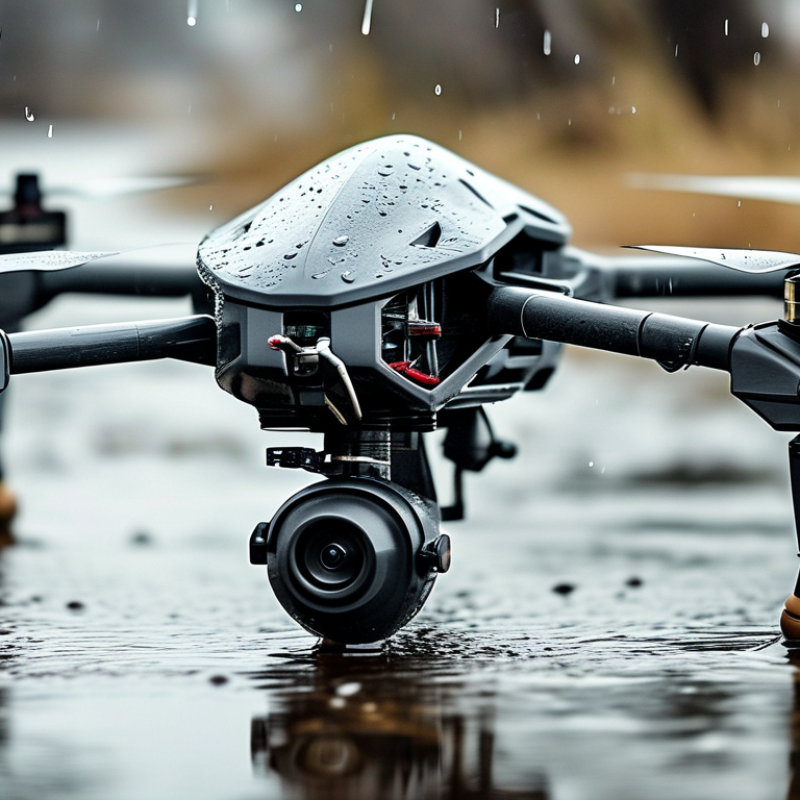
A waterproof drone is built to withstand adverse weather and harsh environments. Its key features include a sealed body, specialized coatings, and durable materials. The hull is often constructed from lightweight, robust materials like carbon fiber or reinforced plastic. These materials help prevent water ingress, which can damage sensitive electronics inside the drone.
In addition to the protective body, waterproof drones commonly have waterproof motors and gimbals. The motors are usually sealed to avoid water damage during operation. Gimbals are designed to keep the camera stable, even in wet conditions. Some models include drain holes to let out any water that may enter. This design consideration helps in maintaining performance in diverse aquatic environments like lakes or oceans.
Using a waterproof drone presents certain challenges. While they are made to face water, submerging them is not always advisable. The effectiveness of the waterproof features can vary, so every user should understand their limits. Regular maintenance is crucial; even a small crack can compromise the drone. Users should regularly check seals and gaskets to ensure the drone’s longevity and reliability.
Waterproof Drone Features Comparison
The Technology Behind Waterproof Drones: Materials and Design Principles
Waterproof drones are designed to withstand harsh environmental conditions. Their unique materials and design principles make them suitable for various applications, such as search and rescue, wildlife monitoring, and marine inspections. The market for waterproof drones is projected to grow significantly, with a study from ResearchAndMarkets estimating a compound annual growth rate (CAGR) of over 15% by 2025.
Key materials for waterproof drones include special plastics, silicone sealing, and corrosion-resistant metals. These materials ensure that drones can operate effectively in rain or underwater without suffering damage. The use of advanced sealing techniques, such as O-rings and gaskets, helps prevent water ingress. Additionally, lightweight yet durable designs improve buoyancy and maneuverability.
Despite improvements, challenges remain. The performance of these drones can diminish in severe weather conditions. Engineers must balance waterproof capabilities with weight limits. As waterproof drone technology evolves, manufacturers are tasked with refining designs to enhance reliability and user experience. Regular testing and field evaluations are crucial in ensuring that drones can meet operational expectations, even in unpredictable environments.
Understanding the IP Ratings: What They Mean for Waterproof Drones
When discussing waterproof drones, understanding their IP ratings is crucial. IP, or Ingress Protection, indicates how well a device resists dust and water. Each rating consists of two numbers. The first number rates dust protection, while the second rates water resistance. For example, a drone with an IP65 rating is dust-tight and can withstand low-pressure water jets. Knowing this helps users select a drone suitable for specific environments.
Choosing a waterproof drone involves considering various factors. A higher IP rating means better protection but may affect weight and price. Some drones might not be fully waterproof, only splash-proof. This distinction is vital for users looking to operate in wet conditions. Furthermore, some manufacturers may exaggerate claims. Careful research on the environmental conditions is necessary. Users should reflect on their flying habits and potential situations to avoid disappointments. Balancing performance and waterproof features is key to making the right choice.
Applications of Waterproof Drones in Various Industries and Sectors
Waterproof drones are revolutionizing various industries through their unique ability to operate in wet environments. In the agricultural sector, these drones are increasingly used for crop monitoring and pesticide application. According to a report from Drone Industry Insights, the agricultural drone market is expected to exceed $4.2 billion by 2024. Farmers use waterproof drones to assess crop health after rainfall, ensuring optimized growth conditions. Additionally, these drones help in precise water mapping, not only conserving resources but also promoting sustainability.
In the construction and infrastructure industries, waterproof drones play a crucial role in surveying and inspection. These drones can fly over bodies of water without the risk of damage, making them ideal for monitoring bridges and dams. A study from the National Oceanic and Atmospheric Administration highlights that around 50% of infrastructure damages occur due to water-related issues. Applying waterproof drones in such situations can lead to real-time data collection, enhancing safety and reducing repair costs. However, challenges remain in data processing and integration into existing systems, indicating the necessity for continued innovation and improvement in this rapidly evolving tech space.
What is a Waterproof Drone and How Does It Work? - Applications of Waterproof Drones in Various Industries and Sectors
| Industry |
Application |
Benefits |
Key Features |
| Agriculture |
Crop monitoring and spraying |
Increased efficiency and reduced chemical usage |
Waterproof design, high payload capacity |
| Search and Rescue |
Finding missing persons in water |
Rapid deployment in emergency situations |
Real-time video transmission, buoyancy |
| Environmental Monitoring |
Tracking pollution levels in water bodies |
Improved data collection accuracy |
Long flight time, waterproof sensors |
| Construction |
Site surveys and inspections |
Cost-effective and time-saving |
Rugged build, high-resolution cameras |
| Fishing |
Locating schools of fish |
Enhanced catch rates |
Waterproof construction, thermal imaging |
Future Trends: Innovations and Developments in Waterproof Drone Technology
The world of waterproof drones is rapidly evolving. Innovations in materials and design are enhancing their durability and functionality. Recent advancements in waterproofing technology allow these drones to withstand harsh conditions like rain or splashes. This opens new opportunities in various sectors, such as agriculture, surveillance, and search-and-rescue missions.
One notable trend is the integration of advanced sensors. These sensors provide real-time data even in adverse weather. This capability improves decision-making processes and increases operational efficiency. However, the challenge remains in balancing weight and waterproofing. Heavier coatings may protect better, but they can affect flight time and maneuverability.
Another exciting development is in battery technology. The push for longer flight times continues. Battery systems that charge quickly and last longer are essential. Researchers are exploring alternative power sources that may offer greater reliability. Feedback from users indicates a need for drones that not only work in water but also excel in diverse environments. There is a constant quest for improvement, reflecting the industry's dynamic nature. This ongoing innovation highlights the potential of waterproof drones in the future.