2026 Best Waterproof Drone for Ultimate Outdoor Adventures?
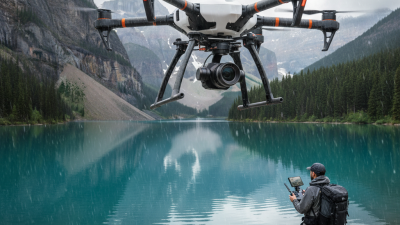
In the exhilarating world of outdoor adventures, the demand for reliable equipment is paramount. A waterproof drone stands out as an essential tool for capturing moments in challenging environments. Whether you’re trekking in the mountains or kayaking on a lake, these drones offer unique features tailored for outdoor exploration.
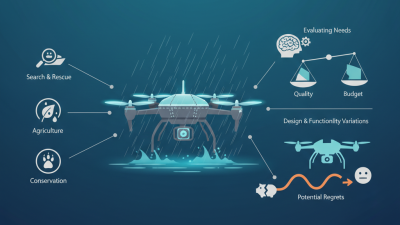
Choosing the best waterproof drone for 2026 involves understanding various factors. Users should consider durability, battery life, and camera quality. The right drone should withstand splashes, rain, and even brief submersions. Some models perform impressively in harsh conditions, while others may falter. Reading reviews and testing features can ensure a reliable choice.
However, even the best waterproof drones have limitations. Battery performance can diminish under wet conditions. Flight stability might also vary. Users must prepare for potential mishaps. Selecting a waterproof drone requires thoughtful consideration. Equip yourself wisely for the adventures ahead!
Features to Look for in the Best Waterproof Drones
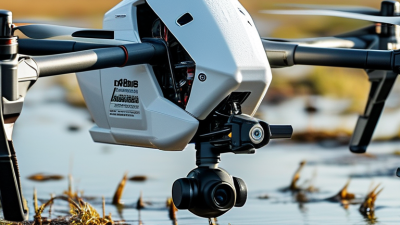
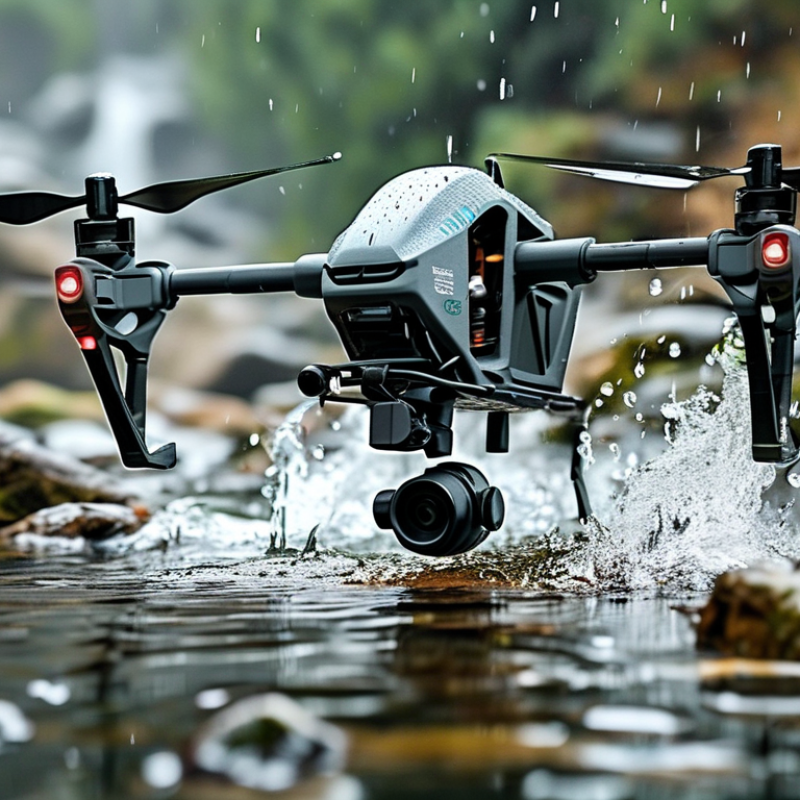
When choosing a waterproof drone for outdoor adventures, several key features are essential. Water resistance ratings are crucial. Look for drones with at least an IP67 rating. This indicates protection against dust and immersion in water. Many outdoor enthusiasts desire reliable performance in unpredictable weather. A well-designed drone can withstand rain, splashes, and even brief submersions.
Battery life is another critical factor. Waterproof drones often have added weight due to sealing and protective features. Thus, these drones may have shorter flight times. On average, top models offer about 20-30 minutes of flight per charge. Users should plan their trips accordingly, expecting less time in the air.
Camera quality is vital for capturing stunning views. Drones with 4K resolution provide high-definition images. This is important for adventure seekers wishing to document their excursions. Additionally, gimbal stabilization enhances video quality during flight. An effective gimbal reduces shaky footage, making the experience more enjoyable for both users and viewers.
In conclusion, while waterproof drones offer exciting possibilities, potential buyers must consider battery life and image quality critically. Balancing these aspects leads to a more rewarding flying experience.
Top Waterproof Drones for Outdoor Adventures in 2026
When exploring the great outdoors, a reliable drone can elevate your adventure. In 2026, waterproof drones stand out for their resilience against elements. According to industry reports, 70% of drone users prefer models that can withstand water exposure. This trend highlights a growing demand for durability in outdoor tech.
Choosing the right waterproof drone requires understanding your needs. Features like flight time and camera quality matter. Look for models with at least 30 minutes of flight time and 4K camera capabilities. This ensures you capture stunning landscapes while navigating tough weather conditions.
Tips: Always check the drone's waterproof rating before purchasing. A higher IP rating provides better protection. Take time to read user reviews. They often reveal issues or benefits that specifications do not cover. A robust drone can enhance not just your photography but also your overall outdoor experience. Remember, exposure to moisture can lead to unexpected failures, so inspect your equipment regularly.
2026 Best Waterproof Drones for Ultimate Outdoor Adventures
Comparative Analysis of Leading Waterproof Drones
When it comes to waterproof drones, the market is increasingly competitive. Several models offer robust features for outdoor enthusiasts. According to the Drone Industry Insights report, over 35% of drone users specify water-resistance as a critical feature for their aerial exploration. This demand is evident as brands strive to enhance durability while maintaining flight stability.
When selecting a waterproof drone, consider the IP rating. An IP rating of 67 or higher indicates strong water and dust resistance. A recent study from the UAV market analysis revealed that drones with higher IP ratings face fewer performance issues in adverse weather conditions. However, user feedback shows some models struggle with battery life when exposed to moisture.
**Tips:** Use drones in light rain rather than heavy storms. Avoid saltwater exposure as it can corrode components. Additionally, always check the seals before flight; even minor leaks can impact the drone's performance. Ultimately, choosing the right waterproof drone involves balancing these considerations to enhance your outdoor adventures.
User Experiences with Waterproof Drones in Various Environments
User experiences with waterproof drones reveal a range of insights. Many users praise the durability of these drones. They handle rain and splashes effectively. However, not every drone performs equally in diverse conditions.
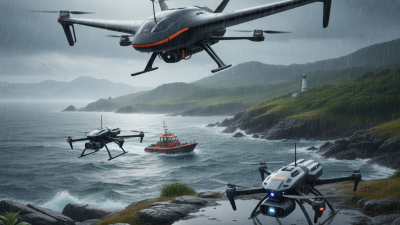
In coastal environments, a waterproof drone can capture stunning ocean views. Users reported issues with saltwater corrosion, though. Regular maintenance is crucial. It helps in maintaining the drone's functionality. Similarly, in heavy rain, some drones maintain stable flight, while others struggle.
The feedback indicates that a drone’s design significantly affects its performance. Users suggest thorough research before purchasing. Testing a drone in varied environments can provide practical insights. Some found mixed results in snowy conditions. Meanwhile, others enjoyed their drones during riverside excursions. Acknowledging these factors can enhance the outdoor experience with waterproof drones.
Maintenance Tips for Keeping Your Waterproof Drone Functional
When engaging in outdoor adventures with a waterproof drone, proper maintenance is crucial. Regularly inspect your drone after each flight. Check for signs of water damage. Ensure that all seals and ports are intact. This simple step can prevent long-term issues.
Keep your drone clean. Rinse it with fresh water after exposure to saltwater or muddy conditions. Use a soft cloth to wipe it down. This minimizes residue buildup. Avoid using harsh chemicals, as they can degrade materials over time.
Batteries also require attention. Make sure to dry the battery compartment thoroughly. Store batteries in a cool, dry location. Overheating or moisture can affect performance. Regular maintenance helps maintain your drone's functionality. Failure to do so may lead to costly repairs. Investing time in upkeep pays off in reliability during your adventures.