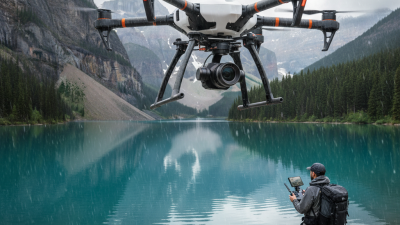
What is a Waterproof Drone and Why Do You Need One?
In recent years, the demand for Waterproof Drones has surged. A report by Drone Industry Insights indicates a 40% annual growth in this sector. These drones are not just for fun; they serve critical functions in various industries. "Waterproof capabilities are essential for reliable performance in challenging environments," says John Smith, a renowned industry expert with over 15 years of experience.
Waterproof Drones are invaluable for search and rescue missions, marine exploration, and environmental monitoring. They can withstand harsh weather conditions, ensuring data collection and safety. However, not all Waterproof Drones perform equally. Some models struggle with water resistance, leading to potential failures when deployed. This unpredictability can deter professionals from fully embracing this technology.
As the industry evolves, understanding the specifications of Waterproof Drones becomes crucial. Buyers must focus on durability, battery life, and camera quality. Choosing the right drone may not be easy, but it's necessary for effective use. The landscape is changing, and so must our approach to drone technology.
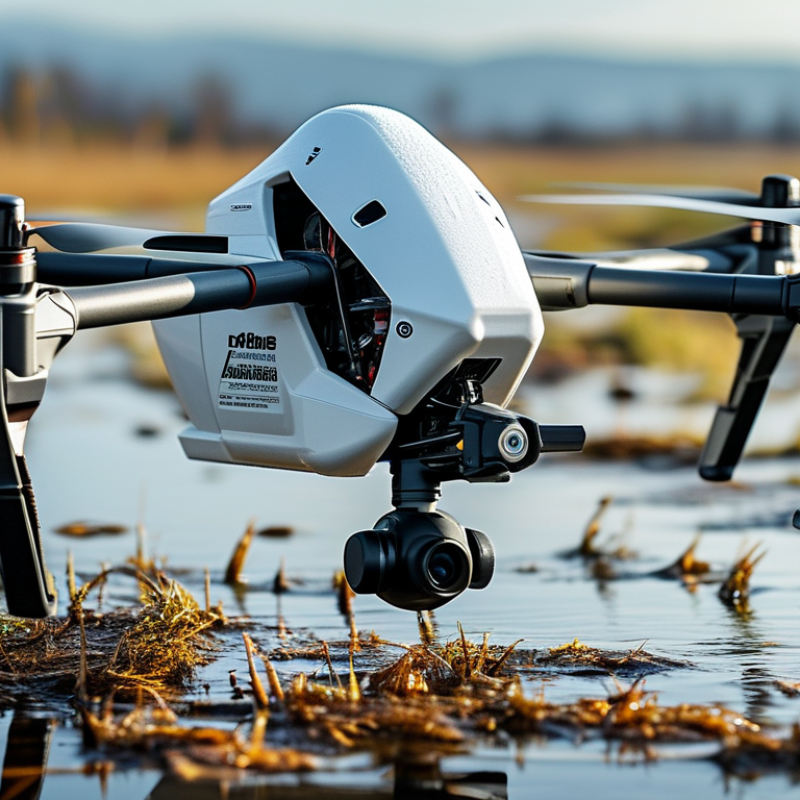
What is a Waterproof Drone?
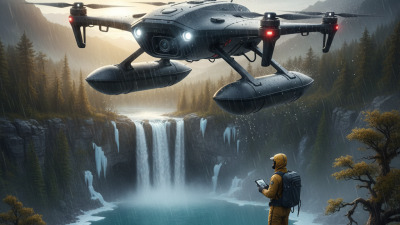
A waterproof drone is a specialized UAV designed to operate in wet conditions. These drones are equipped with materials that resist water damage, ensuring their functionality even in rain or marine environments. Their robust design features sealed components and waterproof coatings. As a result, they thrive in challenging weather.
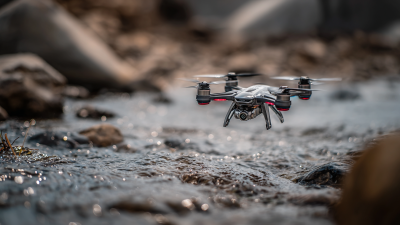
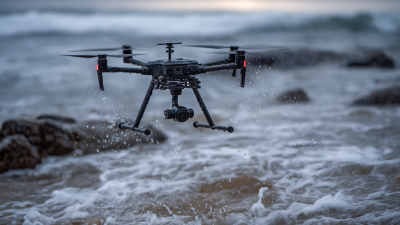
Many enthusiasts appreciate waterproof drones for aerial photography. Imagine capturing stunning images of rocky coastlines or vibrant underwater scenes. These drones offer versatility and creativity, allowing users to explore new visual angles. However, achieving smooth flight in strong winds can be tough. Pilots must understand their limits and adapt to varying conditions.
These aerial vehicles are also valuable in search and rescue missions. Their ability to fly over water expands operational reach, increasing chances of finding missing persons. Yet, relying solely on technology may lead to overconfidence. Continuous training and knowledge are crucial for effective use. Being aware of potential challenges enhances safety and performance in real-world applications.
Key Features of Waterproof Drones
Waterproof drones are gaining popularity for various reasons. Their key features set them apart from standard models. One notable characteristic is their durable construction. These drones often include sealed components to prevent water damage. This feature is crucial for operation in wet environments like beaches or lakes.
Another essential aspect is their enhanced flight stability. Waterproof drones typically have advanced technology to maintain control during windy or rainy conditions. This stability allows for reliable data capture. Many users report their successful use in adventure photography or wildlife monitoring. Users may encounter some technical challenges, such as battery life in cold water or signal interference.
Portability is also a major consideration. Many waterproof drones are designed to be lightweight, making them easy to transport. However, this can sometimes come at the cost of endurance or camera quality. Careful selection based on specific needs can help avoid these trade-offs. Understanding these key features empowers users to make an informed purchase, ensuring they select a drone that meets their expectations for performance and reliability in challenging environments.
Key Features of Waterproof Drones
Applications and Use Cases for Waterproof Drones
Waterproof drones have unique applications across various fields. In agriculture, farmers utilize these drones to monitor crop conditions. They can easily fly over fields, even in rainy weather. This technology allows for better assessment of irrigation needs and plant health. Imagine a farmer checking vast areas without the fear of equipment damage.
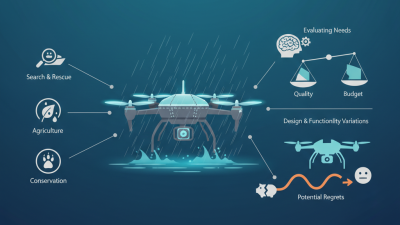
In search and rescue missions, waterproof drones play an essential role. They can operate in challenging weather or flood situations. Rescuers use them to locate missing persons or deliver supplies. The ability to fly over water surfaces enhances their effectiveness. However, not all waterproof drones perform equally in various environments. It's crucial for users to evaluate specific needs before investing.
In marine research, waterproof drones are increasingly popular. Researchers can collect data from ocean surfaces or inspect hazardous areas. They gather valuable information about marine life and water quality. Yet, results may vary based on water conditions. Users must remain aware of limitations to get accurate readings. Drones can malfunction if not correctly maintained or used.
Benefits of Using Waterproof Drones in Various Environments
Waterproof drones are designed to operate in challenging environments where moisture and water could damage standard drones. These specialized drones can handle rain, splashes, or even brief submersion. This capability opens up a range of applications in industries such as agriculture, search and rescue, and marine research.
In agriculture, waterproof drones can survey irrigation systems or assess crop health after heavy rain. They can withstand outdoor conditions and deliver precise data for farmers. Similarly, in search and rescue missions, these drones can quickly locate individuals in water bodies, providing timely assistance. Their resilience in wet environments enhances operational efficiency.
Tips:
When using waterproof drones, ensure that all ports are tightly sealed before flying. Regular maintenance checks help identify wear and tear. Finally, always assess the weather conditions before deploying your drone to maximize performance and safety.
How to Choose the Right Waterproof Drone for Your Needs
Choosing the right waterproof drone involves careful consideration of several factors. First, think about your primary use case. Will you be capturing stunning underwater footage or surveying a construction site in rainy conditions? Different activities demand different features. A drone designed for photography could differ significantly from one meant for search and rescue operations.
Next, consider the drone’s build quality. Look for durable materials that can withstand harsh elements. A robust design helps ensure that the drone remains operational after exposure to water. Battery life is another crucial factor. Waterproof drones often have shorter flight times due to the added weight of sealing mechanisms. It’s essential to balance this when making your decision.
Finally, evaluate the ease of use. Some waterproof drones require advanced piloting skills, while others are user-friendly. Beginners might benefit from models that include GPS and auto-return features. Reflect on your skill level and how quickly you want to adapt. It's an important consideration, especially if the drone will be used in challenging environments. Don't overlook these elements while exploring your options. Each detail can significantly impact your experience and outcomes.