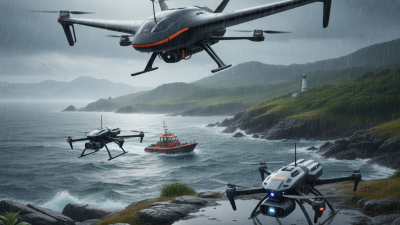
A Delta Wing Uav Drone can cover long routes efficiently, but range alone does not make it the right purchase. Buyers must weigh payload, endurance, launch method, recovery space, and support after delivery. The FAA’s Aerospace Forecast, Fiscal Years 2024–2044, tracks continued growth in commercial drone activity in the United States. That growth makes careful procurement more important—not less. A sleek airframe can still disappoint if its camera, battery, or ground-control system does not suit the mission.
Small details matter. A 30-minute flight on a specification sheet may shrink under wind, cold, or a heavier sensor. Ask suppliers for test conditions, usable flight time, and maintenance intervals. Request flight logs or a live demonstration, not only polished videos. EASA’s guidance on drone operations also highlights the importance of assessing operational risks and matching procedures to the aircraft. Buyers should confirm local requirements with the relevant authorities before ordering; rules vary by country and mission.
This guide presents seven practical buying tips for global buyers, from checking airframe materials to comparing warranties and spare-part access. Compare like with like. A lower price may hide costly training or limited technical support. Even detailed specifications leave questions unanswered, so verify claims in writing and test the aircraft in realistic conditions where possible. No single model fits every job. That is the awkward part—and the reason a patient comparison can save money, time, and a missed survey window.
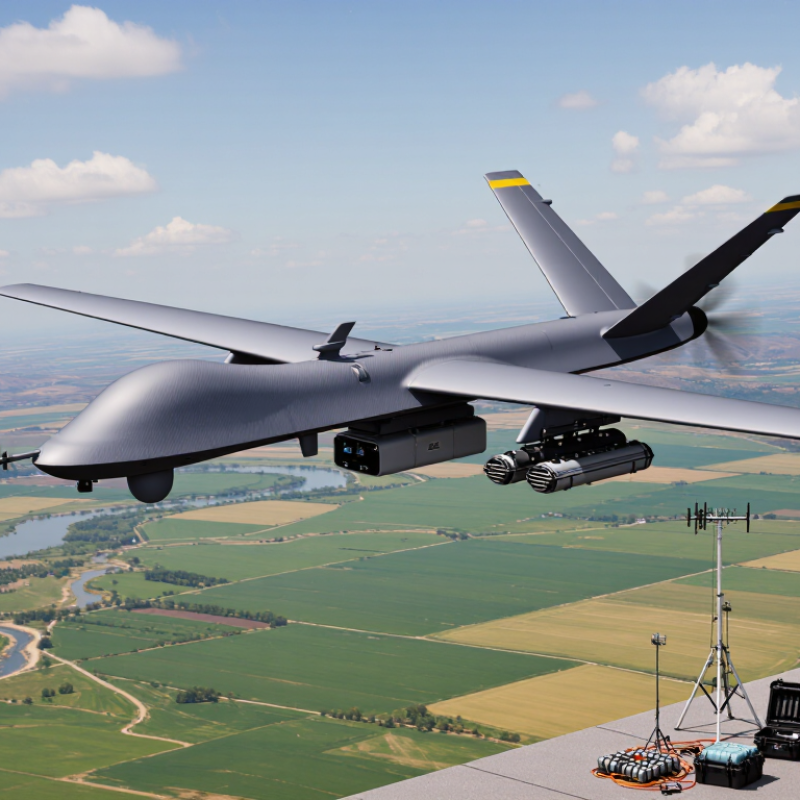
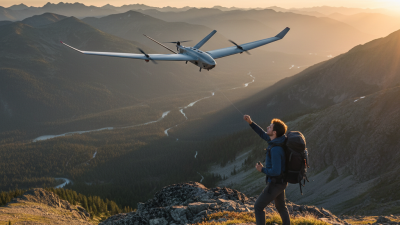
A delta-wing UAV has a swept, triangular planform, with a broad wing root and relatively short span. This shape can keep the aircraft compact during transport and provide room for batteries, sensors, and wiring inside the center body. Its broad lifting surface can also support stable flight at higher angles of attack. That can help during slow turns, though handling depends on the full design.
NASA technical wind-tunnel studies of 60-degree delta wings measured lift and drag across different angles of attack. The practical lesson is simple: ask for performance data across the intended flight envelope, not just a top-speed figure. A design that performs well in a straight, fast pass may behave differently in a gust or tight turn. Small detail, big effect.
The trade-off matters. A swept wing may create more drag at low speeds, and a compact shape does not guarantee long endurance. The FAA’s 2024 Aerospace Forecast tracks growth in small-UAS activity, but mission needs still vary widely. For buyers, compare payload capacity, stall behavior, launch method, and recovery requirements against the actual route and weather. I would also question any claimed range that omits payload weight, wind, and reserve power; those omissions make comparisons less useful.
7 Delta Wing UAV Drone Buying Tips for Global Buyers
A delta wing UAV should be selected around the mission, not its advertised maximum range. Start with payload mass, dimensions, power demand, and launch conditions. A thermal camera, mapping sensor, or multispectral unit can change the aircraft’s balance and endurance. The U.S. Department of Energy reported lithium-ion battery pack prices at 139 dollars per kWh in 2023. However, lower battery cost does not remove the weight penalty.
Match endurance to real flight time, not brochure figures. Wind, altitude, temperature, and repeated climbs reduce available energy. For coastal inspection, a moderate payload and stable communications may matter more than extreme range. For agriculture, accurate coverage and efficient turns often matter more than speed. The FAA’s aerospace forecasts show continued growth in commercial drone operations, increasing the need for documented performance and trained operators. Numbers alone are not enough.
Tips: Request payload-specific flight tests. Ask for endurance at your intended payload, reserve level, and climate. Check launch space, recovery method, spare batteries, and local aviation requirements. A spreadsheet can still mislead. I would also test the aircraft with the final sensor installed, because vibration and balance problems often appear late. Leave a practical energy reserve, and verify maintenance support before ordering across borders.
Use this comparison as a mission-planning checklist. Aircraft performance varies by configuration, weather, payload, and operating rules; confirm all figures with the supplier and applicable aviation authority.
| Buying tip | Mission requirement to define | What to check | Practical selection guidance |
|---|---|---|---|
| 1. Define the complete payload | List the sensor or cargo, mount, cabling, and any onboard processing equipment. | Maximum payload mass, usable payload volume, mounting interface, power supply, and center-of-gravity limits. | Evaluate the aircraft with the full mission-ready payload installed. A payload’s mass alone does not confirm that it fits or can be powered. |
| 2. Match range to the route | Map the launch point, survey or inspection area, transit legs, and recovery point. | Whether the quoted range is one-way or total flight distance, and the payload, speed, and weather conditions used for the figure. | Plan for the full route, including return or alternate recovery where applicable. Account for wind and avoid treating a best-case range as a routine mission range. |
| 3. Size endurance for the task | Estimate transit time, time over the target, repositioning, and the planned recovery. | Endurance with the intended payload and operating profile, rather than an unloaded or ideal-condition figure. | Require enough usable flight time for the mission and applicable reserves. Check how cold, wind, battery age, and flight speed affect endurance. |
| 4. Confirm sensor and data needs | Specify the required ground detail, coverage area, revisit interval, and data deliverables. | Sensor compatibility, stabilization, georeferencing, storage, data-link capacity, and processing workflow. | Ask for sample outputs and a representative mission demonstration. Confirm that the sensor can meet the required data quality at the planned altitude and speed. |
| 5. Check launch and recovery conditions | Identify available space, surface conditions, staffing, and access to recovery sites. | Required launch method, recovery method, landing-area needs, wind limits, and recovery procedures. | Choose a configuration that can be operated safely at the actual site. A runway-independent design may still require suitable launch and recovery conditions. |
| 6. Verify communications and navigation | Define the expected operating area, terrain, line-of-sight conditions, and lost-link response. | Control and telemetry link specifications, frequency approvals, navigation capability, interference handling, and contingency behavior. | Check link performance in representative terrain and confirm that operating frequencies and equipment meet local requirements. Review lost-link actions before purchase. |
| 7. Assess compliance and lifecycle support | Identify the countries of operation, flight category, operator requirements, and expected service life. | Applicable approvals, documentation, training, maintenance intervals, spare-part availability, software support, and warranty terms. | Confirm requirements with the relevant authorities before committing. Compare total operating costs, not only the aircraft purchase price. |
For a delta-wing UAV, inspect the flight controller, navigation sensors, and lost-link behavior as one system. Ask how the aircraft handles a weak signal and whether its return behavior can be configured for the intended site. Compare stated endurance with a realistic payload, not an empty-aircraft figure. A smooth launch matters. Check that the control layout is understandable to the operators who will use it.
Materials should suit both the mission and the maintenance resources available. Carbon composite can be light and stiff, but repairs may need trained technicians and specific supplies. Inspect seams, access panels, fasteners, and the protection around wiring. I would not treat a polished specification sheet as proof of durability. Ask for repair guidance and examine a sample component, if available.
Operating conditions change performance. Heat, cold, dust, moisture, and high-altitude air can affect batteries, sensors, and lift. Salt exposure can also accelerate corrosion around connectors. Small details matter. Request test data for conditions close to your planned site, and confirm the aircraft’s temperature limits. Allow time for local operator training and routine pre-flight checks; those needs are easy to underestimate when comparing purchase prices.
7 Delta Wing UAV Drone Buying Tips for Global Buyers
Checking Supplier Credentials, Certifications, and Import Rules
Supplier claims need more than a polished website. Request the company registration, factory address, export history, and verifiable contact details. Check whether the legal company name matches the quotation and bank information. I have seen buyers overlook small mismatches. They later faced delayed payments and unclear warranty responsibility. Ask for recent inspection reports, production photos, and a live video call from the facility.
Tip 1: Verify every certificate’s scope, holder, issue date, and tested model. A general quality certificate does not prove that a specific delta wing UAV complies with your market’s safety rules. Check relevant electrical, radio, battery, and manufacturing requirements. Confirm whether local authorities accept the certificate. Test reports should show standards, laboratory details, and matching model numbers.
Tip 2: Study import rules before paying a deposit. Confirm the correct customs classification, required permits, radio approvals, and lithium battery transport documents. Some countries require operator registration, flight permissions, or remote identification equipment. Ask a customs broker to review the paperwork. Supplier advice helps, but it is not legal advice. Requirements can change, and I may miss details without local verification. Keep invoices, packing lists, manuals, and certificates together. A simple document checklist can prevent expensive customs storage.
A useful import-planning check: 250 g is a key mass boundary in several major drone rule sets. Confirm the exact requirements for the aircraft’s intended use and destination before ordering.
These are regulatory reference points, not interchangeable approval categories: requirements depend on jurisdiction, aircraft classification, and how the drone is operated. Ask suppliers for accurate maximum take-off mass documentation, and verify current import and operating rules with the relevant authorities.
Sources: U.S. FAA · EASA · Transport Canada
A delta-wing UAV can look inexpensive until batteries, ground equipment, training, and support enter the quote. Global buyers should compare total cost of ownership over three years, not airframe price alone. Deloitte Access Economics estimated that drone solutions could create US$127 billion in annual economic value, but that figure assumes reliable, maintained systems. Ask for flight hours, battery-cycle assumptions, and replacement-part prices in writing. An early procurement spreadsheet missed customs delays. That mistake was expensive.
Training is a real operating cost. The FAA requires recurrent knowledge training every 24 months for many commercial remote pilots in the United States. Other jurisdictions may require different competency evidence, medical checks, or operational approvals. Budget instructor time, simulator access, field practice, and one failed-weather day. A 2023 Drone Industry Insights report identifies training, regulation, and operational integration as persistent adoption barriers. Request bilingual manuals and a skills test using the actual control station.
Maintenance deserves equal scrutiny. Launch gear, servos, batteries, and autopilot systems need inspection intervals matched to dust, heat, and salt exposure. European Union Aviation Safety Agency guidance emphasizes documented maintenance and continuing airworthiness. Compare spare-part lead times, remote diagnostics, warranty exclusions, and repair turnaround. Ask whether software support continues after hardware sales end. Define response hours, loaner equipment, and escalation contacts in a service-level agreement. Do not trust a beautiful demonstration. Pay for a limited acceptance trial.