Leave Your Message

How to Choose the Best Long Range FPV Drone in 2026?

Choosing a Long Range FPV Drone in 2026 means looking beyond a headline range figure. A link that works over open fields may struggle near trees, buildings, or radio interference. Battery reserve matters just as much. So do antenna placement, receiver compatibility, frame durability, and a reliable failsafe. Small details can decide whether a flight ends with a safe landing or a long walk home.

The market is growing, but broad industry figures need careful reading. Grand View Research estimated the global drone market at $73.06 billion in 2024 and projected continued growth through 2030. That figure covers many drone categories, not long-range FPV alone. It signals wider investment, not proof that any particular FPV model is better. Former FAA Administrator Michael Huerta described the wider shift this way: “We are at the dawn of a new era in aviation.” The quote captures the opportunity, but practical buying decisions still depend on evidence.

This guide compares range claims with real-world factors: usable flight time, video-link quality, repair access, and a sensible payload. It also considers how easily a pilot can inspect and maintain the aircraft. One detail deserves skepticism: manufacturers do not always test range under comparable conditions. Treat advertised distances as starting points, not promises. Keep flights within applicable rules and within reliable control and communication limits. The best choice may not be the most powerful one. It should fit your experience, location, and safety margins.
How to Choose the Best Long Range FPV Drone in 2026?

Define the Mission, Flight Range, and Payload Requirements

How to Choose the Best Long Range FPV Drone in 2026?

A long-range FPV drone is only “best” when it fits the mission you actually fly. Define whether you need open-area filming, inspection, or practice over suitable terrain. Each task changes the useful range, camera needs, and flight time. A quiet morning flight across a valley may become harder when wind rises or the route includes trees. Plan for the real conditions, not just the advertised distance.

Tips: Write down your route, expected flight time, and every item the drone must carry. Include the camera, mount, and battery in your payload estimate. Extra weight can reduce endurance and make handling less predictable. Leave a meaningful battery reserve for the return trip. Test the setup in a nearby, low-risk area before attempting a longer route.

Treat range figures as estimates, not promises. Signal quality, antenna placement, interference, weather, and terrain all affect the link. Check that your chosen control and video systems suit the route, and confirm local operating rules before flying. One planning detail is easy to miss: a drone that reaches a distant point may not have enough energy to return safely. I would rather accept a shorter route than rely on perfect conditions. Review flight logs after each test, adjust one variable at a time, and be willing to revise the plan.
Compare Long-Range FPV Drone Types and Airframe Designs

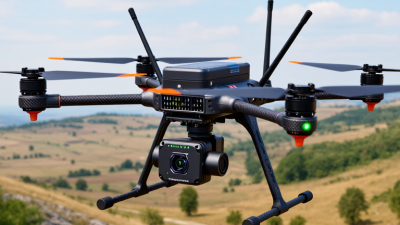
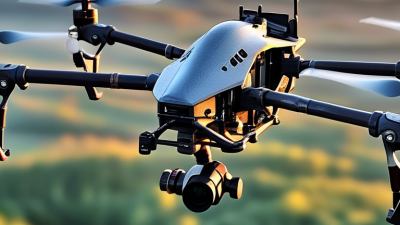
Long-range FPV choices start with airframe geometry, not advertised flight time. A quadcopter can hover, launch from a small clearing, and turn tightly around trees. Its motors must keep producing lift, though, which can shorten efficient cruise time. A fixed-wing aircraft uses its wings for lift and usually covers distance efficiently, but it needs room to launch and land. It cannot hover to inspect a view. Trade-offs matter.

For mixed needs, a vertical-takeoff fixed-wing design combines hover launch with wing-borne cruise. That convenience adds motors, weight, and more parts to inspect. Frame layout matters too: a compact X-frame is simple, while a stretched frame can leave a clearer camera view. Check how the battery, antenna, and camera fit before choosing; a tidy drawing may hide awkward access in the field.

The FAA’s 2024 Aerospace Forecast projected the U.S. commercial small-drone fleet could reach about 955,000 by 2028, up from roughly 348,000 in 2023. That forecast signals growing use, not proof that one design suits every flight.

For a calm, open route, a fixed wing may make sense. For wooded sites or frequent stops, a multirotor may be easier to manage. I would not treat a quoted range as a promise: wind, payload, battery age, and conservative reserve settings change the result.

Evaluate Flight Time, Radio Links, Navigation, and Video Systems

A long-range FPV drone should be judged by usable airtime, not the largest number on its box. Wind, battery age, and a fast return leg all cut into flight time. Leave a reserve for landing. A practical test is to fly a familiar route, then compare battery use on the outbound and return legs. The difference can be sobering. GPS.gov says GPS-enabled devices are typically accurate within 4.9 meters under open sky; trees and buildings can reduce accuracy. Treat that figure as a reference, not a guarantee for every onboard receiver. Check how the drone handles weak positioning, and whether its navigation display clearly shows direction and home distance.

Radio and video links need separate checks. A control link may remain stable while the live picture breaks up, so test both on the same route. Look for stated frequency, antenna placement, latency, and link-loss behavior—not just advertised range. The FAA’s 2024 Aerospace Forecast discusses the expanding use of small unmanned aircraft, but a growing fleet does not make any one link reliable. Local interference and obstacles still matter. Review recorded footage for dropped frames and delay, especially during turns behind trees or low ridges. Short tests help. Longer flights reveal more. A tidy spec sheet can still mislead; repeat tests in different conditions, and note where the video first degrades.

Check 2026 Regulations, Safety Practices, and Recovery Options

Before choosing a long-range FPV drone in 2026, check the rules where you plan to fly. Requirements can vary by country and location. Confirm airspace limits, registration, identification, and any pilot or observer requirements through current official aviation guidance. Do not assume a route is permitted because it looks empty. A quiet field may sit near a restricted area.

Build safety into the flight plan. Set a conservative distance, check wind and visibility, and keep a clear landing area in view. A trained observer can help watch the aircraft and nearby airspace when regulations permit. Test the control link and failsafe close to home before extending a flight. Leave battery reserve for a calm return, not just the outbound leg. Batteries lose performance in cold weather. I learned that the hard way.

Plan recovery before takeoff. Save the launch point, note safe access routes, and agree on a meeting spot with anyone assisting. If the aircraft lands unexpectedly, follow local rules and retrieve it only when safe; avoid entering private or hazardous areas. Record the route, battery use, and any signal dropouts after each flight. These notes are imperfect, but they often reveal a weak link before the next outing.

Assess Components, Compatibility, and Total Ownership Costs

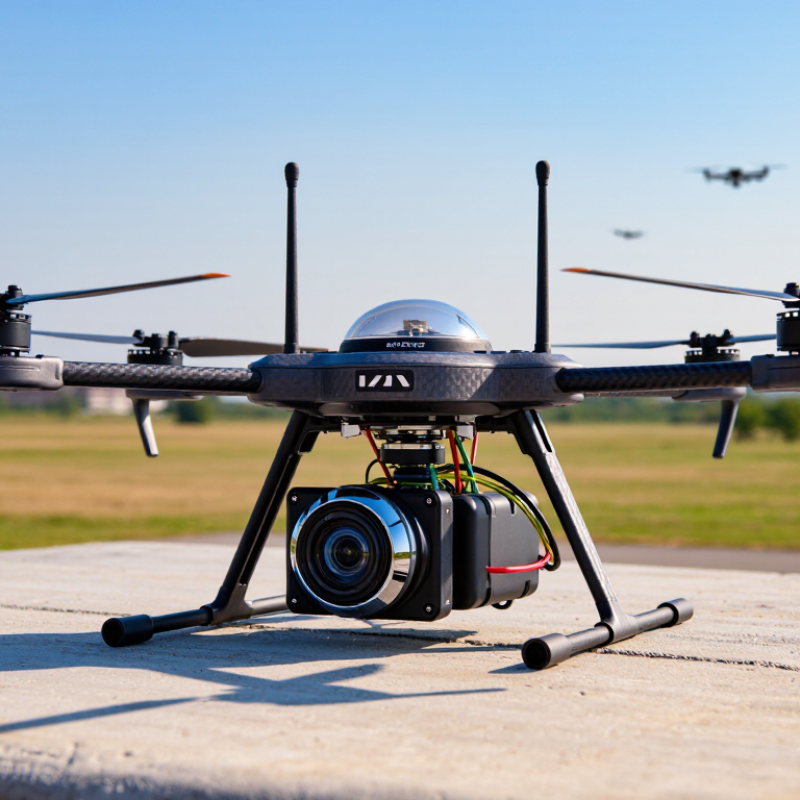
A long-range FPV drone is a system, not just a frame and motor set. Check the battery’s cell count against the flight controller, electronic speed controller, and video system voltage limits. Confirm connector type, mounting pattern, receiver protocol, antenna frequency, and propeller clearance before buying. A mismatch can turn a promising parts list into extra adapters, soldering, or replacement hardware. Small detail. Check firmware support and spare-part availability, too.

Budget for the whole ownership cycle: batteries, charger, spare props, antennas, tools, and likely motor or frame repairs. BloombergNEF’s 2024 Battery Price Survey reported an average lithium-ion pack price of $115 per kilowatt-hour, down 20% year over year. That is a broad market benchmark, not a forecast for FPV packs; specialist cells and low-volume purchases can cost more. Compare cost per usable flight, not just the advertised battery price. Include safe charging and storage equipment. One estimate will still be imperfect: crashes, weather, and battery aging are hard to predict. Keep a small repair reserve, and choose components you can inspect and replace without rebuilding the entire aircraft.

How to Choose the Best Long-Range FPV Drone in 2026?

Estimated first-year component and ownership costs for three common build approaches (USD).

These are indicative planning estimates for unbranded parts, not fixed retail prices. They include a basic allowance for batteries, charging equipment, and spares, but exclude labor, shipping, and repairs beyond that allowance. Before buying, check that battery voltage and connectors match the ESC, the flight controller supports your receiver and video system, and the aircraft can safely carry the battery weight. Actual range depends on setup, conditions, and local rules—not cost alone.