What is Unmanned Aircraft and How Does it Work?
The rise of Unmanned Aircraft has transformed multiple industries. According to a report by the Federal Aviation Administration (FAA), the drone market is expected to reach $63 billion by 2025. This rapid growth highlights the technology's potential and its increasing adoption for commercial uses. Experts like Dr. Emily Chappell, a leading figure in drone research, state, "Unmanned Aircraft are redefining efficiency in logistics and agriculture."
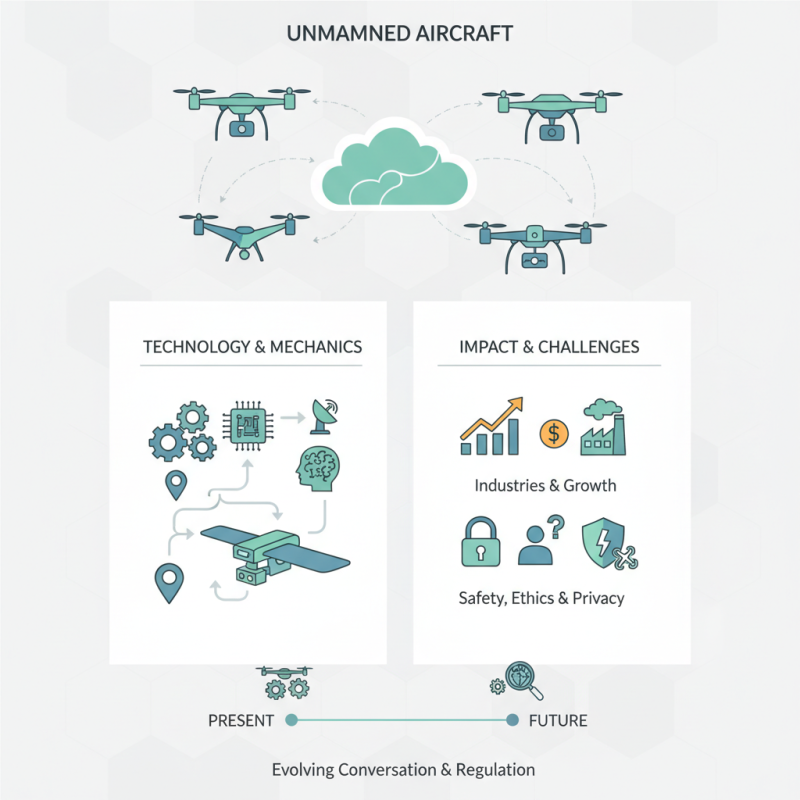
Unmanned Aircraft operate based on sophisticated technologies. They utilize sensors, GPS, and automation to perform tasks traditionally executed by manned aircraft. Despite their benefits, challenges exist. Safety concerns and ethical questions about surveillance loom large. A drone's ability to collect data raises issues surrounding privacy and consent.
While Unmanned Aircraft streamline operations, their deployment is often under scrutiny. Incorporating them into existing systems requires careful consideration of regulations and public perception. As the technology advances, the conversation around its implications continues to evolve.
Definition of Unmanned Aircraft and Its Types
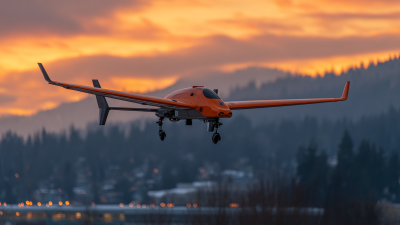
Unmanned aircraft, commonly known as drones, are vehicles that operate without a human pilot onboard. These aircraft can be remotely controlled or autonomously fly programmed routes.
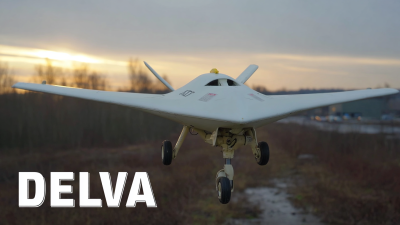
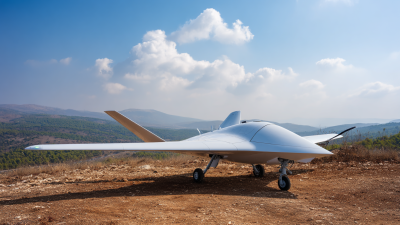
Different types of unmanned aircraft exist, each serving its own unique purpose. For example, fixed-wing drones look like small airplanes and are great for long-distance flights. They can cover vast areas and are often used in mapping and agriculture.
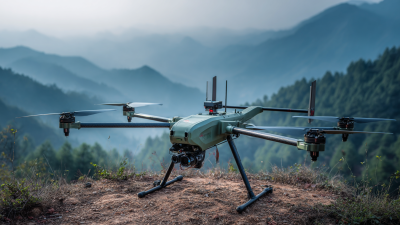
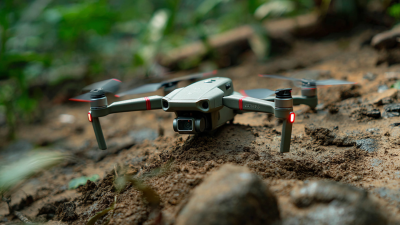
Another type is the quadcopter, which has four rotors. This design allows for vertical takeoff and landing. Quadcopter drones are popular for aerial photography and recreation. Their maneuverability is impressive, but they require skill to fly well. Many hobbyists face difficulties mastering these devices. Some others may opt for larger models, but the control can still be challenging.
There are also hybrid types that combine features of both fixed-wing and multirotor drones. These unmanned aircraft can take off vertically like a helicopter and then transition to horizontal flight. Despite their versatility, these hybrids can be heavier and more complicated to operate. Operators need to be aware of these complexities to use them effectively. Each type of unmanned aircraft has its own strengths and weaknesses, pushing users to find the right fit for their needs.
Key Components of Unmanned Aircraft Systems
Unmanned Aircraft Systems (UAS) have become increasingly vital in various sectors. Understanding their key components is essential for grasping how they operate. The primary parts include a vehicle, ground control station, and payload. Each plays a critical role in mission success. A report from the Federal Aviation Administration (FAA) estimates that the commercial drone market will grow to $43 billion by 2025. This highlights the demand for sophisticated UAS solutions.
The vehicle, or drone, features sensors that gather data. Often, these sensors capture high-resolution images or real-time video. This data is crucial for industries like agriculture, where farmers use drones for crop surveillance. Ground control stations, usually portable, allow operators to manage flights and monitor data feeds. However, challenges remain. Connectivity issues can arise, leading to data loss or mission failure.
Payloads vary depending on the application. They can include cameras, LiDAR systems, or even delivery mechanisms. Not all payloads fit all missions, and choosing the right one is crucial. Some payloads may be too heavy, causing flight instability. There is a need for careful consideration in these choices. This complexity illustrates that while UAS technology is advancing, obstacles must be addressed for optimal performance.
How Unmanned Aircraft Operate: A Technical Overview
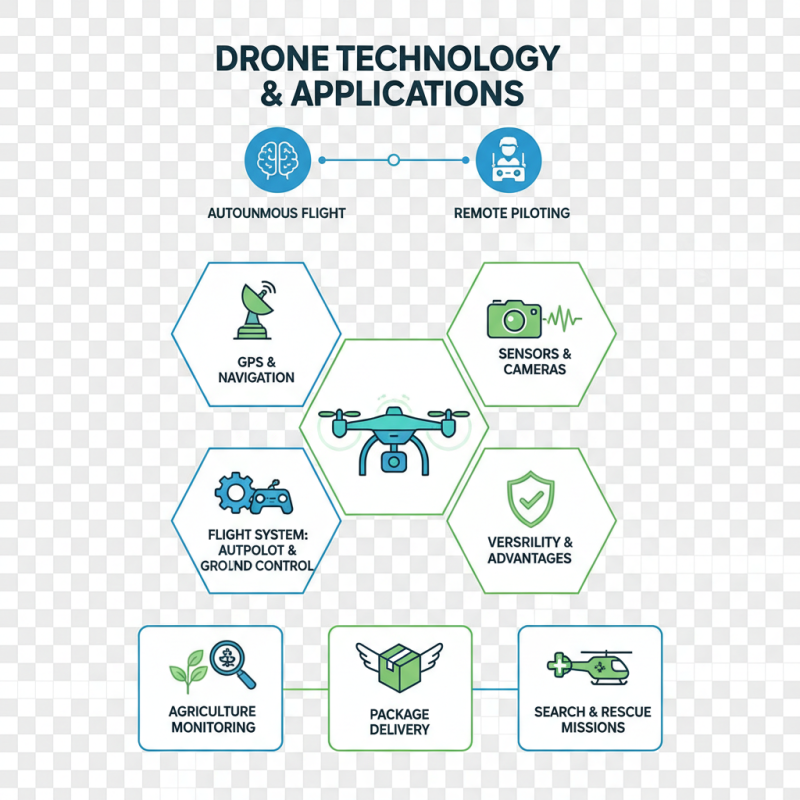
Unmanned aircraft, commonly known as drones, rely on a variety of technologies for operation. Equipped with sensors, cameras, and GPS, these aircraft can navigate autonomously or be piloted remotely. The flight system includes an autopilot and ground control elements. The significant advantage lies in their versatility. Drones can monitor crops, deliver packages, or conduct search and rescue missions.
Understanding how unmanned aircraft operate gives insights into their capabilities. The onboard systems process data in real time, allowing for quick responsiveness. Communication with the ground station is vital. Signal loss can lead to accidents, so maintaining a secure connection is crucial. Some drones lack features to handle complex environments effectively. This can lead to unexpected issues.
Flight stability depends on factors like weight and aerodynamics. Balancing these elements can be challenging. Some models may struggle in windy conditions, affecting performance. Operators must constantly evaluate these aspects to ensure safety and efficiency. Every flight carries risks, and without careful planning, what seems simple can become complicated.
Applications of Unmanned Aircraft in Various Industries
Unmanned aircraft, commonly known as drones, are changing various industries. In agriculture, drones help farmers monitor crops from above. They provide real-time data on soil health, moisture levels, and crop growth. This technology helps optimize resource use, but it can be expensive for small farms. Training users is crucial; not everyone grasps the technology quickly.
In logistics, drones are being tested for delivering packages. They can navigate urban environments efficiently. However, safety concerns exist, especially in crowded areas. Air traffic control for drones is still developing. Additionally, weather conditions can limit their effectiveness.
In construction, unmanned aircraft survey sites quickly and accurately. They help document progress and identify issues early. Yet, not all workers are comfortable with this technology. Some may feel their jobs are at risk. Balancing innovation with workforce concerns is essential as industries adapt.
What is Unmanned Aircraft and How Does it Work? - Applications of Unmanned Aircraft in Various Industries
| Application Area |
Description |
Benefits |
| Agriculture |
Monitoring crop health, precision agriculture, and aerial spraying. |
Increased yield, enhanced efficiency, and reduced chemical usage. |
| Construction |
Site surveying, progress monitoring, and safety inspections. |
Cost-effective project management, improved safety, and real-time data collection. |
| Logistics |
Package delivery and inventory management. |
Faster delivery times, reduced transportation costs, and automated inventory tracking. |
| Emergency Services |
Search and rescue operations, disaster assessment, and emergency medical delivery. |
Rapid response, increased access to remote areas, and enhanced situational awareness. |
| Telecommunications |
Infrastructure inspection and network deployment. |
Time-saving infrastructure assessments and smoother network expansions. |
Future Trends and Developments in Unmanned Aircraft Technology
Unmanned aircraft technology is rapidly evolving. These devices, often referred to as drones, are becoming integral in various industries. Future trends indicate enhancements in autonomous capabilities. They are set to operate with minimal human intervention, which raises both excitement and concerns.
Improvements in sensor technology will allow drones to navigate complex environments. Advanced AI will enable better decision-making. However, reliance on technology introduces potential risks. If systems fail, consequences might be severe. The balance between innovation and safety is critical. Regulations will also need updates to keep pace with advancements.
Sustainability is another focus area. Future unmanned aircraft may utilize green technologies. Electric propulsion systems could reduce carbon footprints significantly. Yet, the production of these aircraft can still have environmental impacts. As new materials emerge, evaluating their lifecycle will be essential. The journey ahead holds promise and challenges that must be addressed thoughtfully.