Top 10 Folding Wing Drones for Efficient Aerial Solutions?
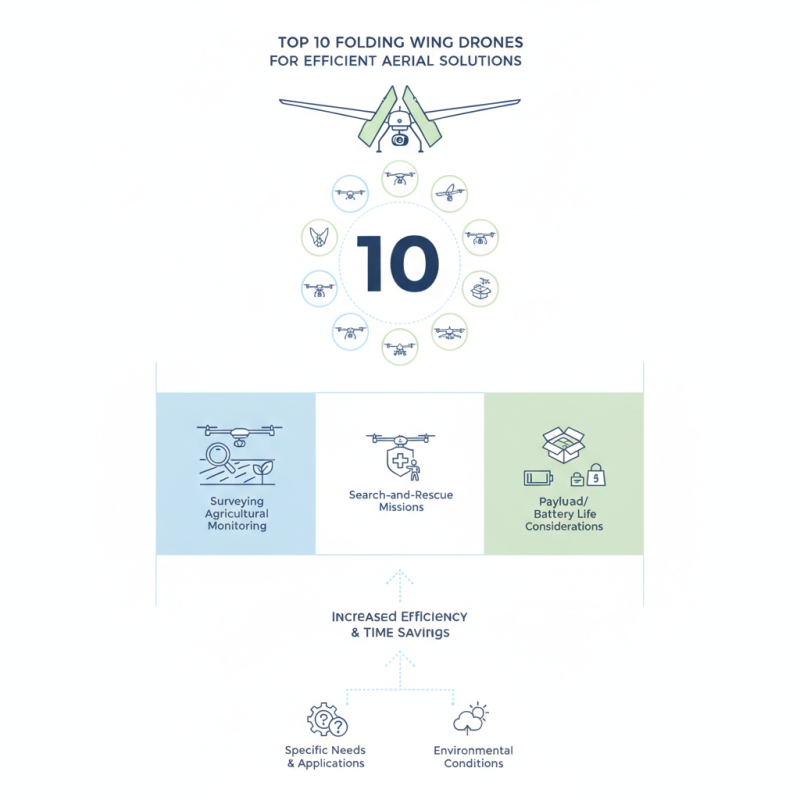
Folding Wing Drones are revolutionizing aerial solutions across various industries. Their unique design allows them to transition between fixed-wing and multi-rotor capabilities seamlessly. This flexibility enhances flight efficiency, making them ideal for tasks like surveying, agricultural monitoring, and search-and-rescue missions.
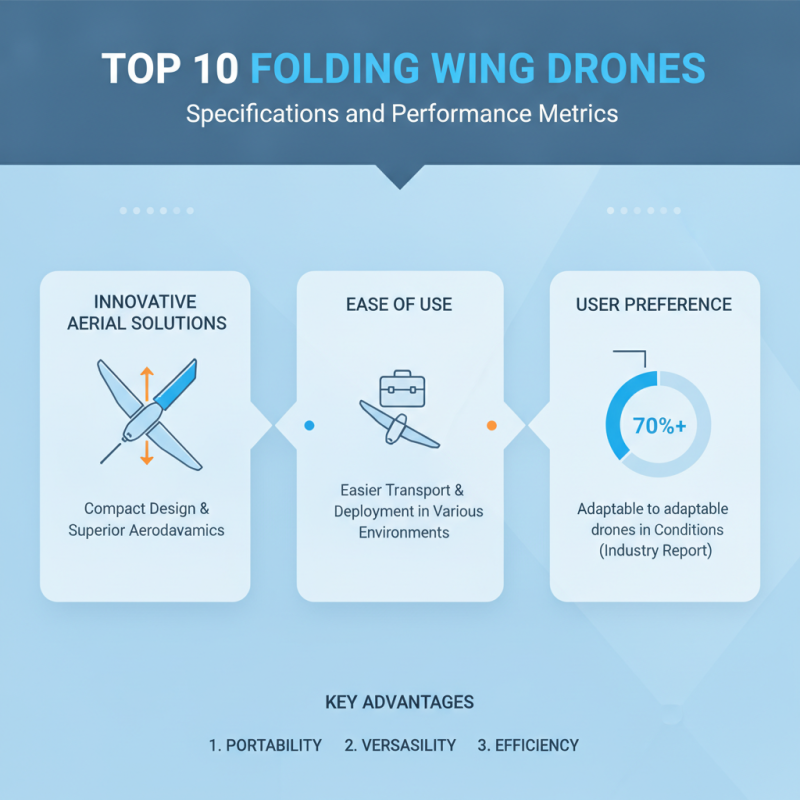
Many users value the compact design of Folding Wing Drones. This portability ensures easy transportation and deployment in the field. However, as we explore the top models available, it's essential to note that not all drones are created equal. Some may lack battery life or payload capacity. Buyers should consider their specific needs and applications before making a choice.
Ultimately, the impact of Folding Wing Drones can be significant. They can save time and resources in various operations. Yet, potential users must remain critical and investigate various options thoroughly. The right choice will greatly depend on individual requirements and environmental conditions.
Overview of Folding Wing Drone Technology and Innovations
Folding wing drones represent the forefront of aerial technology. These drones merge compact design with advanced flight capabilities. The innovation focuses on efficiency, allowing for rapid deployment in various applications. Research shows that the market for folding wing drones is growing exponentially, with projections estimating a compound annual growth rate (CAGR) of 15.5% from 2021 to 2026.
The technology behind folding wing drones includes mechanisms enabling transformation from a compact state to an expanded flying position. This design significantly enhances portability, making them ideal for remote operations. Users can easily carry them into challenging terrains. However, the complexity of these mechanisms can lead to maintenance challenges. Regular inspection is necessary to ensure they perform reliably.
Not all folding wing drones achieve optimal aerodynamic performance. Performance variations exist due to design choices and materials used. Some models struggle to balance stability and maneuverability. A detailed analysis of flight performance indicates that while some drones excel in distance, others may falter under heavy payloads. This inconsistency calls for continuous innovation within the industry. Engineers must focus on refining designs to address these shortcomings.
Key Features to Consider When Choosing Folding Wing Drones
When selecting a folding wing drone, several essential features require consideration. The wings’ design is crucial for performance. A well-engineered wing shape enhances aerodynamics, leading to improved flight efficiency. Look for adjustable wings to adapt to different flying conditions. This adaptability can notably extend flight time and expand operational range.
The drone's weight is another critical factor. Lightweight materials contribute to better maneuverability. However, lightweight designs must still be robust enough to withstand the rigors of aerial missions. Additionally, battery capacity should not be overlooked. Longer battery life enhances operational capabilities, especially for extended surveys or monitoring tasks.
User-friendly controls can significantly impact usability. Drones that offer intuitive interfaces make piloting easier for beginners. However, finding the right balance between simplicity and advanced features is challenging. Some models may overwhelm users with too many options, leading to confusion. Reliability should also be scrutinized; extensive testing is vital to ensure consistent performance in various conditions. Reflecting on these aspects will help you make an informed decision.
Applications of Folding Wing Drones in Various Industries
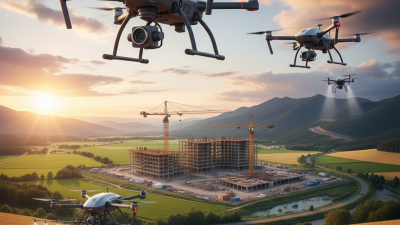
Folding wing drones have gained traction across various sectors. Their ability to adapt makes them valuable tools in industries like agriculture, construction, and surveillance. These drones can efficiently cover vast areas, making them ideal for tasks such as crop monitoring or infrastructure inspections. Their folding design allows for easy transport and deployment in rugged environments.
In agriculture, for instance, drones can provide real-time data on crop health. This data helps farmers make informed decisions regarding irrigation and pest control. Similarly, in construction, drones streamline site assessments. They can quickly map large areas, saving time and reducing costs. Such applications showcase how folding wing drones transform traditional methods.
Tips for optimal use include ensuring proper calibration before flights. Regular maintenance checks can prevent technical issues during operations. It's also essential to keep informed about the latest advancements in drone technology. Embracing such knowledge can enhance overall efficiency and effectiveness in aerial operations. Consider exploring different flight modes to adapt to specific tasks.
Top 10 Folding Wing Drones for Efficient Aerial Solutions
| Model |
Wingspan (meters) |
Flight Time (minutes) |
Payload Capacity (kg) |
Range (km) |
Key Applications |
| Model A |
2.5 |
40 |
5 |
100 |
Agriculture, Surveillance |
| Model B |
3.0 |
50 |
6 |
120 |
Logistics, Mapping |
| Model C |
2.8 |
45 |
4 |
90 |
Emergency Services, Search and Rescue |
| Model D |
3.5 |
60 |
8 |
150 |
Mining, Environmental Monitoring |
| Model E |
4.0 |
70 |
10 |
200 |
Film Production, Telecommunications |
| Model F |
3.2 |
55 |
7 |
130 |
Surveillance, Telecommunications |
| Model G |
2.7 |
48 |
5.5 |
95 |
Wildlife Monitoring, Agriculture |
| Model H |
3.8 |
62 |
9 |
175 |
Infrastructure Inspection, Surveying |
| Model I |
4.2 |
75 |
12 |
250 |
Defense, Surveillance |
| Model J |
3.6 |
66 |
11 |
210 |
Emergency Response, Mapping |
Future Trends in Folding Wing Drone Development and Market Growth
The folding wing drone market is on the rise, thanks to advanced engineering and increasing demand across various sectors. According to a recent report from Drone Industry Insights, the global market for these drones is expected to grow by 40% annually. This growth stems from their versatility in applications like agriculture, surveillance, and delivery.
Folding wing drones are favored for their compact design. They are easier to transport, making them attractive for both commercial and recreational use. The ability to operate in tight spaces is a significant advantage. Yet, developing efficient folding mechanisms poses a challenge for manufacturers. Ensuring stability and performance while maintaining a lightweight structure is a complex task.
Tips: When considering folding wing drones, prioritize payload capacity and flight time. These factors often determine operational efficiency. Regularly reviewing new technological developments will keep you informed about potential advancements.
As new materials and battery technologies emerge, future designs will focus on sustainability. Innovations could lead to longer flight durations and reduced environmental impact. However, the industry must also address regulatory hurdles to fully realize these benefits. Collaborations between manufacturers and regulatory bodies are essential for standardized practices. The evolution of this market depends on balancing innovation with compliance and user needs.