Top 10 Tips for Choosing Unmanned Aircraft for Your Business?
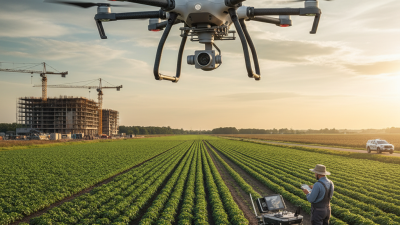
In today's rapidly evolving business landscape, Unmanned Aircraft have emerged as powerful tools. They offer innovative solutions across various sectors, from agriculture to construction. However, choosing the right unmanned aircraft can be challenging, given the plethora of options available. Understanding your specific needs is crucial. Each industry has unique requirements that can heavily influence your choice.
With a focus on reliability and expertise, this guide will help you navigate the complexities of selecting unmanned aircraft. Important factors include payload capacity, flight time, and regulatory considerations. A poorly chosen aircraft can lead to inefficiencies and increased costs. Mistakes can be costly, but with the right information, you can avoid common pitfalls.
This article will provide actionable tips to ensure you make an informed decision. By examining various models and their capabilities, we aim to empower your business. As the market for unmanned aircraft continues to grow, staying informed is vital. We encourage you to reflect on your options carefully.
Factors to Consider When Assessing Unmanned Aircraft Specifications
When assessing unmanned aircraft specifications, several critical factors come into play. Payload capacity is paramount for many businesses. Knowing how much weight an aircraft can carry influences its applicability. Whether you need it for surveying or delivery, ensure the drone meets your needs. Battery life is another vital specification. Shorter flight times can limit operations, so look for longer-lasting options. Flight range also matters, especially if your operations cover vast areas.
Camera quality is often overlooked but can significantly affect data collection. Choose drones with high-resolution cameras for better imagery. This aspect is crucial for industries like agriculture, real estate, and mapping. Additionally, consider the ease of use. A user-friendly interface can save you time during training. Look for drones with intuitive controls, which can help newcomers feel comfortable.
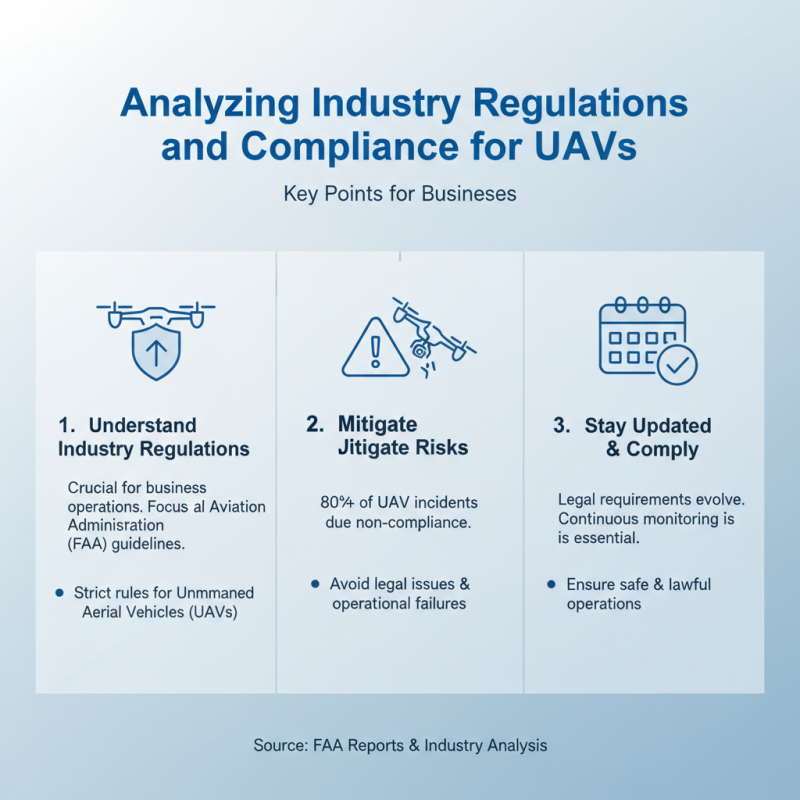
Another point to ponder is regulatory compliance. Understand the rules governing unmanned aircraft in your area. Noncompliance can lead to fines or project delays. Finally, think about support and maintenance options. Drones require regular care, and having reliable support can make a difference in your decision-making process. Balancing all these factors can lead to a better aircraft choice tailored to your business’s unique needs.
Evaluating Payload Capacity: Matching Drones to Business Needs
When evaluating payload capacity for drones in business, consider your specific operational needs. Different industries require different capabilities. For example, agriculture may need drones that can carry sensors for crop analysis, while delivery services focus on packages. Understanding your payload requirements is crucial. A drone’s payload capacity often dictates its overall efficiency.
Keep in mind that payload isn’t just about weight. The type of equipment you plan to carry matters too. A heavy camera might need a more robust drone than a simple sensor. Check the specifications carefully to ensure compatibility. Sometimes, a drone may claim high payload capacity, but other limitations can affect performance.
It’s easy to overlook small details when choosing a drone. Sometimes, lower capacity options may surprise you with efficiency. Reflect on your needs and test various drones. Engage with peer reviews to understand real-world applications. This input can be invaluable in making an informed decision. Don't rush; the right choice will support your business effectively.
Understanding Flight Time and Range for Operational Efficiency
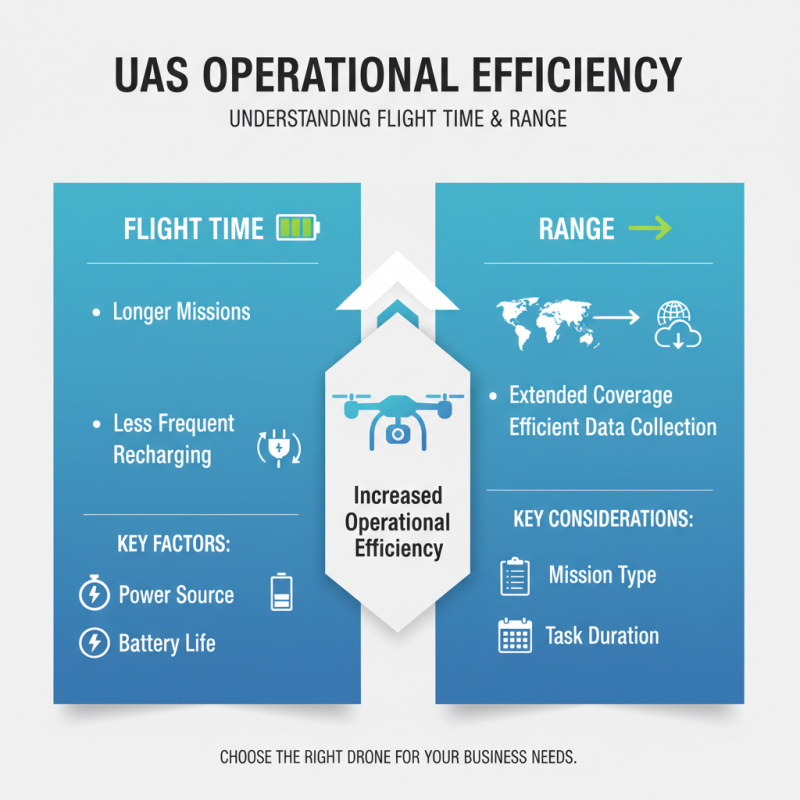
When choosing an unmanned aircraft for your business, understanding flight time and range is crucial. These two factors significantly affect operational efficiency. A longer flight time allows for extended missions without frequent recharging. When selecting a drone, consider its power source and battery life. Some drones excel in short bursts, while others can sustain longer flights. Analyze the types of tasks your business will engage in.
Range is equally important. A drone's range determines how far it can travel from its control station. If your operations involve remote areas, ensure the drone can cover that distance safely. This requires a balance between flight time and range. Drones with superior range may sacrifice flight time and vice versa. Evaluate your business objectives and select an aircraft that aligns with them.
However, not all drones perform as advertised. Flight time can be affected by payload, environmental conditions, and flight maneuvers. Conduct real-world tests to see how long your drone can actually fly under typical operating conditions. This will give you realistic expectations for your operations and help you avoid costly mistakes. It’s essential to choose wisely, as the wrong decision could lead to inefficiencies and lost opportunities.
Cost-Benefit Analysis: Initial Investment vs. Long-Term Savings
When considering unmanned aircraft for business, a comprehensive cost-benefit analysis is crucial. The initial investment can be significant, but evaluating long-term savings can reveal a better picture. Drones often reduce labor costs and improve efficiency. Regular maintenance and operational training should also factor into the budget.
Define your business goals before choosing a drone. Understanding how it fits into your operations will help you make informed decisions. Look for features that enhance productivity. For example, high-quality cameras can provide detailed inspections, saving time and money in the long run.
Don’t overlook the hidden costs. Insurance, software updates, and potential damages can add up. Evaluate the total cost of ownership rather than focusing solely on the purchase price. Remember, a cost-effective drone is not always the cheapest option upfront. Each decision requires reflection on your business needs, ensuring the drone adds value.
Top 10 Tips for Choosing Unmanned Aircraft for Your Business
| Feature |
Initial Investment ($) |
Long-Term Savings ($ per year) |
Estimated Payback Period (Years) |
| Drone A |
5000 |
1200 |
4.17 |
| Drone B |
8000 |
1500 |
5.33 |
| Drone C |
10000 |
2000 |
5.00 |
| Drone D |
12000 |
2500 |
4.80 |
| Drone E |
15000 |
3000 |
5.00 |