Folding Wing Drone Tips for Better Flight Performance?
In the world of drones, the Folding Wing Drone stands out for its innovative design. These drones can adapt to different environments, making them versatile tools for various applications. Flight performance is crucial for any drone, especially for those with folding wings. With proper tips and techniques, you can enhance their efficiency.
When flying a Folding Wing Drone, proper setup is essential. Check the wing alignment before takeoff. Misalignment can lead to unstable flights. Additionally, consider the weight distribution; it affects the drone's balance and maneuverability. Experimenting with different payloads can reveal optimal configurations that improve performance.
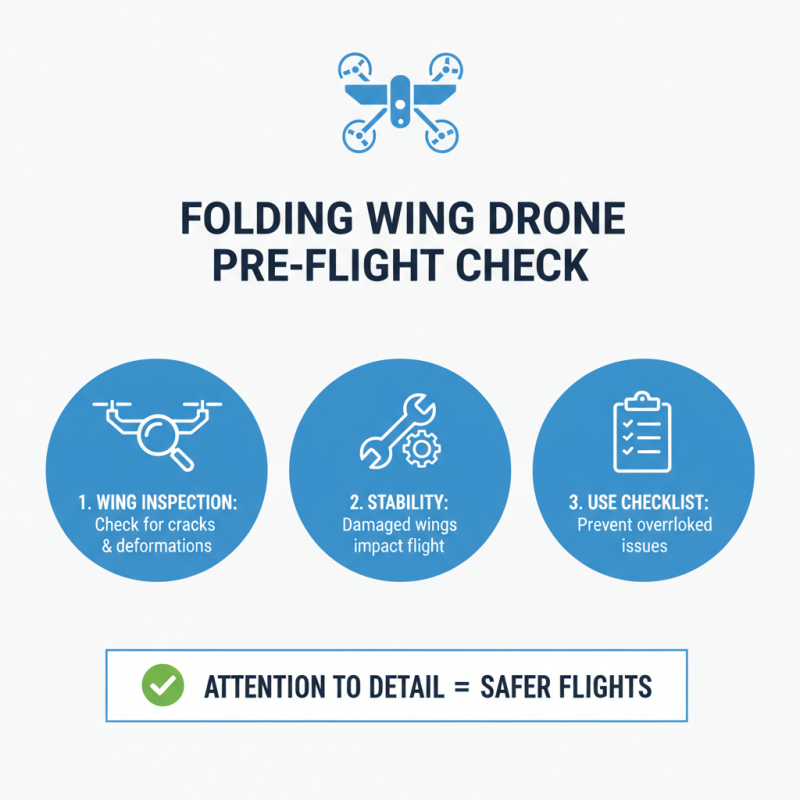
Weather conditions also play a vital role. Wind can disrupt flights, especially for lighter drones. Monitor wind speeds and avoid flying in gusty weather. Maintenance is another critical factor. Regularly inspect the wings and motors for wear. Small damages can lead to poor flight results. Every detail matters when aiming for a seamless flying experience. Reflecting on these aspects will lead to smarter flying strategies for your Folding Wing Drone.
Understanding the Mechanics of Folding Wing Drones
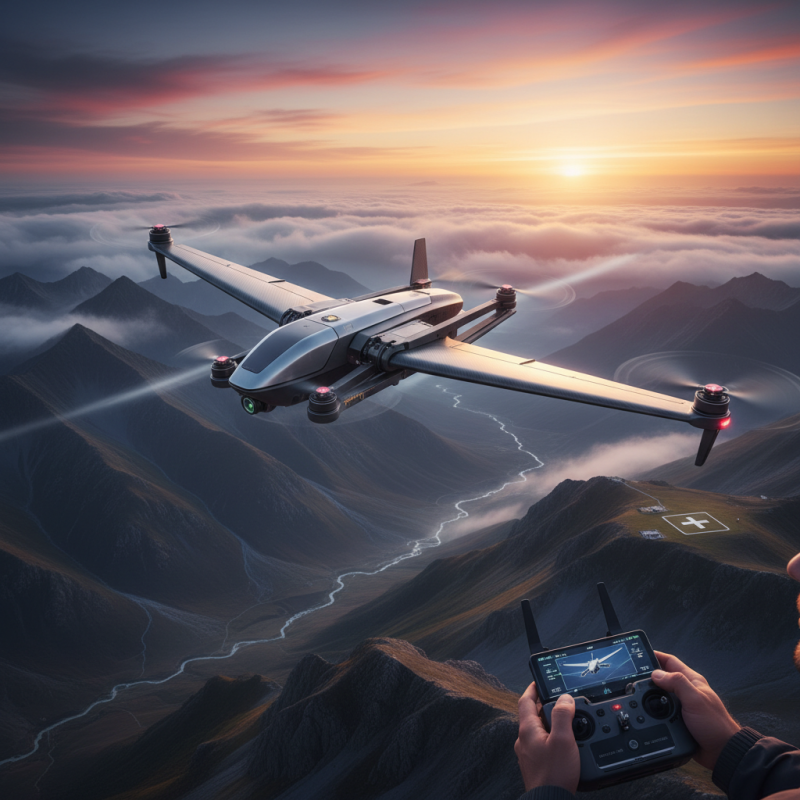
Folding wing drones are increasingly popular due to their efficiency. Understanding their mechanics is key to enhancing flight performance. The design allows wings to fold, reducing space when not in use. This innovative approach offers flexibility for storage and deployment.
Aerodynamics play a crucial role in how these drones fly. The shape and movement of folding wings can affect lift and drag. A small adjustment in wing angle can lead to increased stability. Pilots need to consider wind conditions. Strong gusts may challenge the drone's ability to maintain control, leading to unexpected outcomes.
Regular maintenance is essential. Hinges and joints can wear out over time, affecting wing movement. A malfunction can result in serious flight difficulties. Experimentation with different wing configurations could improve performance, but not all attempts will yield successful results. Continuous learning from these experiences is vital for advancement in drone technology.
Advantages of Folding Wings for Enhanced Aerodynamics
Folding wings present significant advantages in drone design. They allow for compact storage and transport while enhancing aerodynamics. Data from industry reports indicate that drones with folding wings can improve flight efficiency by up to 30%. This is a notable benefit for both recreational and commercial users.
Aerodynamic optimization is crucial in drone performance. Folding wings reduce drag during flight, allowing for smoother and faster maneuvers. Research shows that a streamlined design can lead to 25% more flight range. Of course, this innovation comes with challenges. There can be structural concerns as folding mechanisms must be durable and lightweight.
Additionally, the transition between the folded and unfolded states should be smooth. If not, it may lead to performance issues. Operators must regularly inspect these components to ensure reliability. With the right engineering, folding wings can transform how drones operate, but constant reflections on their design are necessary. Balancing durability and performance remains an ongoing pursuit in the industry.
Adjusting Flight Settings for Different Environmental Conditions
When flying a folding wing drone, the environment plays a crucial role. Wind speed and direction can significantly affect stability. For instance, flying against a strong breeze may cause the drone to work harder, resulting in reduced battery life. Adjusting your flight settings based on conditions is essential. For instance, increasing the flight sensitivity can enhance responsiveness, but it could lead to overcorrection in turbulent air. Finding the right balance is key.
Temperature can also impact performance. Cold conditions may lead to reduced battery efficiency. Conversely, heat can cause the drone's motors to overheat. Monitoring these variables can improve flight time. Using weather apps to check temperature and wind forecasts allows for better planning. Sometimes, despite careful adjustments, things can go wrong. Drifting or unstable flight may still occur, requiring you to rethink your approach for future flights. Understanding the environment helps to mitigate these unexpected issues.
Maintenance Tips to Ensure Longevity and Reliability of Drones
Proper maintenance is crucial for the longevity of folding wing drones. Regular inspections can help identify issues early. In fact, a report by the Drone Industry Association highlights that routine upkeep reduces operational failures by 30%. This statistic emphasizes the importance of proper care. A simple check of propellers and hinges can prevent performance drops.
Battery life is another critical factor. Lithium polymer batteries can degrade if not handled properly. Charge cycles matter, so avoid deep discharges. According to research from the International Drone Research Group, maintaining a 40% charge can extend battery life by 20%. Keep your batteries in a cool, dry place to prevent overheating.
Cleaning your drone regularly helps prevent dirt accumulation. Dust can interfere with sensors and affect flight stability. Ignoring this step might seem convenient but can lead to malfunction. Research indicates that up to 15% of drone accidents are linked to inadequate maintenance. Skipping these tasks might save time now, but the consequences could be costly later.
Folding Wing Drone Tips for Better Flight Performance
| Aspect |
Details |
| Wing Folding Mechanism |
Ensure smooth operation and check for wear and tear regularly. |
| Battery Maintenance |
Store batteries at room temperature and avoid complete discharges. |
| Propeller Inspection |
Check for chips or cracks and replace as necessary to ensure flight stability. |
| Firmware Updates |
Regularly update the drone firmware to enhance performance and fix bugs. |
| Pre-Flight Checks |
Conduct full system checks before flight to avoid mid-air failures. |
| Calibration |
Regularly calibrate the drone’s compass and GPS for accurate positioning. |