What is a Folding Wing Drone and How Does It Work?
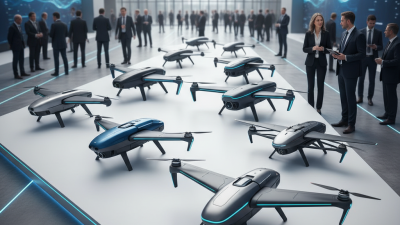
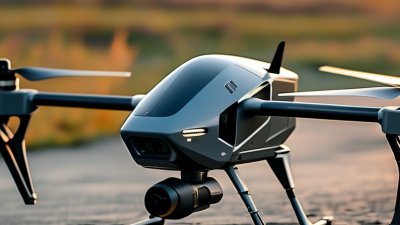
The Folding Wing Drone represents a significant advancement in drone technology. These innovative devices are designed with wings that fold for streamlined transport and storage. When deployed, their wings expand, allowing for enhanced aerodynamics and flight efficiency. This feature makes them versatile for various applications, from aerial photography to surveying.
This drone's design is not without challenges. The mechanics of folding wings must be precise to ensure reliable performance. Minor misalignments can affect flight stability. Users must consider these factors when operating a Folding Wing Drone. Expertise in maintenance and operation enhances reliability and safety.
As the demand for compact and efficient drones rises, the Folding Wing Drone stands out. It combines portability with advanced flying capabilities. Understanding its mechanics can lead to better usage and innovative applications. This technology is shaping the future of aerial solutions.
What is a Folding Wing Drone?
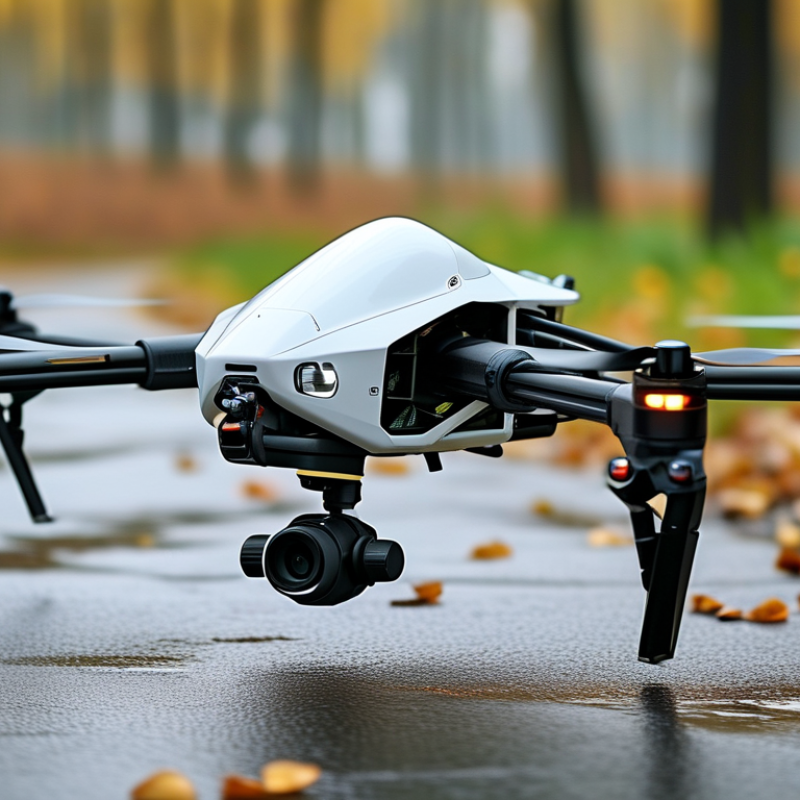
A folding wing drone is an innovative type of unmanned aerial vehicle (UAV). Its unique design features wings that can fold and unfold during flight. This mechanism allows the drone to take up less space when stored or transported. The folding wings enable these drones to transition between different flight modes. This adaptation enhances their maneuverability and efficiency in various environments.
The design often uses lightweight materials, which contribute to better flight performance. Engineers focus on balancing strength and weight. It’s interesting to note that while these drones offer many advantages, challenges remain. The folding mechanisms can be complex. Issues with reliability may arise during extended use. Maintenance becomes crucial to ensure operational safety.
Folding wing drones are utilized in various fields, from agriculture to aerial photography. Their versatility opens new opportunities. However, as with any technology, drawbacks exist. Users must be aware of environmental factors that affect performance. Despite the potential for innovation, careful planning and consideration are important for successful usage.
History and Development of Folding Wing Drones
Folding wing drones represent a significant evolution in drone technology. Their design allows them to minimize space while enhancing efficiency in flight. Understanding their history sheds light on their innovative features. In the early days, drones were bulky and less maneuverable. Engineers sought ways to improve them, leading to the concept of folding wings.
The origins of folding wing drones can be traced back to advancements in aerospace engineering. Engineers studied bird flight patterns to inspire designs. They focused on creating compact drones for urban and military applications. As technology developed, folding mechanisms became more reliable and lightweight. This encouraged widespread experimentation with various aerodynamic configurations.
Today, these drones are utilized in numerous fields, including agriculture, surveying, and search and rescue. Their ability to fold allows for easier transport and operation in tight spaces. However, challenges persist in ensuring the durability of folding mechanisms under various conditions. Engineers constantly analyze these weaknesses for future enhancements. The journey of folding wing drones is ongoing, marked by both triumphs and areas needing improvement.
How Folding Wing Drones Operate Mechanically
Folding wing drones represent a significant advancement in drone technology. Their design allows for compact transportation and versatile operation. These drones feature wings that can fold in and out. This mechanism enables them to adapt to different flight conditions and environments.
Mechanically, folding wing drones utilize servo motors to control the wing movement. These motors engage as needed, allowing for seamless transitions. Based on industry reports, the efficiency of these drones improves by up to 30% during flight when wings are adjusted optimally. This adaptability is crucial in various applications, from aerial photography to agricultural monitoring.
Despite the advantages, challenges remain. The mechanical parts can wear over time, leading to potential malfunctions. Regular maintenance and testing are essential to ensure reliability. A study highlighted that nearly 15% of folding wing drones experience issues within their first year of use. Users must be aware of these concerns and plan accordingly. Balancing performance and maintenance is vital for optimizing the effectiveness of folding wing drones.
What is a Folding Wing Drone and How Does It Work? - How Folding Wing Drones Operate Mechanically
| Feature |
Description |
| Wing Folding Mechanism |
Mechanically retracts and extends wings for compact storage and flight efficiency. |
| Materials Used |
Lightweight composite materials to reduce weight without sacrificing strength. |
| Flight Modes |
Can switch between various modes such as hover, cruise, and landing. |
| Applications |
Used in aerial photography, surveillance, and cargo transport due to their compact design. |
| Advantages |
Enhanced portability and improved aerodynamics lead to longer flight times and better efficiency. |
| Control Systems |
Advanced software for real-time adjustments and autonomous flight capabilities. |
Advantages of Using Folding Wing Drones
Folding wing drones are revolutionizing the drone industry. They offer incredible versatility, making them ideal for various applications. One significant advantage is their compact design. When folded, these drones take up less space, making transportation easier. According to a recent report by Drone Industry Insights, the global drone market is expected to reach $100 billion by 2025, with folding designs leading the way.
Another key benefit is their enhanced aerodynamics. Folding wings provide better lift and stability, especially in varying weather conditions. This attribute is essential for commercial uses, such as agriculture and surveying. The increased flight time and distance can lead to improved operational efficiency. A notable finding from a study by the Association for Unmanned Vehicle Systems International indicates that drones can reduce costs by up to 70% in some sectors.
Tips: When using folding wing drones, consider the weight and battery capacity. A well-balanced configuration enhances flight duration. Regular maintenance of the folding mechanisms is crucial for long-term performance. Keep in mind that while they offer many benefits, operational challenges remain, such as battery management and repair complexity. Embrace these challenges for a more efficient aerial solution.
Advantages of Folding Wing Drones
Applications of Folding Wing Drones in Various Industries
Folding wing drones have transformed various industries. Their compact design allows easy transport. Once deployed, the wings unfold, maximizing flight efficiency. This design is crucial for operations in tight spaces.
In agriculture, these drones survey vast fields quickly. They can monitor crop health, identifying issues like pest infestations or water stress. Accurate data helps farmers make informed decisions. In disaster management, folding wing drones access hard-to-reach areas. They deliver critical supplies or assess damage swiftly.
In the cinematic world, filmmakers use these drones for aerial shots. They provide stunning visuals without obstructing the scene. However, not all environments are suitable for them. The effectiveness can diminish in strong winds. Users should consider these factors before relying solely on this technology.