In recent years, UAV unmanned aerial vehicles have transformed various industries. Their applications span agriculture, photography, and logistics. However, the market is flooded with options. Buyers must navigate this complexity to maximize value. Understanding essential tips can help streamline the purchasing process.
Considering the rapid evolution of UAV technology, potential buyers often face uncertainty. What features are truly necessary? How do prices vary? Research is crucial. Many new buyers overlook this step, leading to costly mistakes. Knowing the right questions to ask can make a significant difference.
Additionally, buyers should prioritize reliability and after-sale support. Investing in a UAV without understanding these aspects can lead to frustration. Many users have experienced equipment failures that could have been avoided with better guidance. By taking the time to learn, buyers can ensure they make informed decisions that benefit their specific needs.
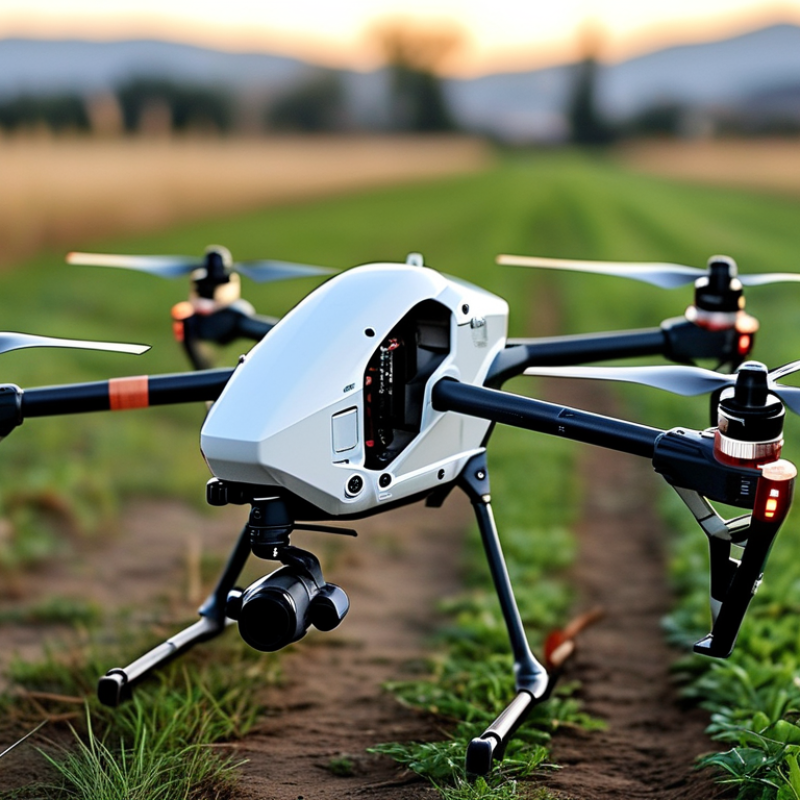
When buyers explore UAVs, understanding their types is crucial.
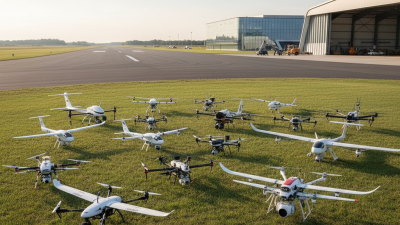
Fixed-wing UAVs excel in long-distance flights. They are efficient for mapping large areas. Conversely,
multi-rotor UAVs offer unparalleled maneuverability. These vehicles are ideal for inspections, photography, or agriculture.
Each type has its specific advantages based on the mission requirements.
Buyers should deeply consider the application of each UAV. For instance, some models come with enhanced sensors for data collection. Others are equipped for real-time surveillance. However, many users overlook the importance of payload capacity. Understanding how much weight a UAV can carry is vital. Too often, buyers focus solely on price, forgetting long-term utility.
Investing in a UAV without a clear purpose can lead to disappointment. It's essential to research, analyze, and reflect on what you truly need. Features that seem appealing at first may not serve practical applications later. Knowing the strengths and limitations of each UAV type helps avoid costly mistakes. Buyers must ensure that their chosen model aligns with their specific goals and operational needs.
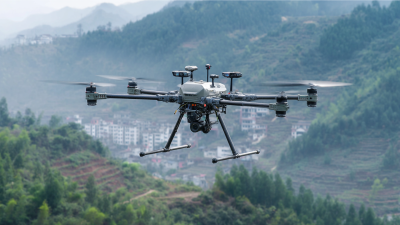
When evaluating UAV features for global operations, a few critical elements can enhance value. First, consider the payload capacity. This factor affects what the UAV can carry. Adequate payload allows for various applications, from surveying to delivery. However, excess payload can compromise flight time. Finding a balance between capacity and efficiency is essential.
Next, flight time is crucial for operations. Longer flight durations reduce the need for frequent recharges. This maximizes productivity, especially in remote areas. Yet, some high-capacity UAVs sacrifice efficiency for duration. Potential buyers should weigh the importance of extended flight time against operational costs.
Additionally, consider the UAV's software capabilities. Intelligent navigation systems and easy-to-use interfaces can save significant time during deployments. But, some features can be overwhelming for users with less technical expertise. It's important for operators to analyze their team's skill level before integrating complex systems. Assessing these factors carefully can lead to more effective UAV investments.
Navigating the regulatory landscape for UAV purchases is critical for global buyers. Understanding different countries’ laws can be overwhelming. In the United States, the FAA regulates UAV operations. In contrast, the EASA oversees UAV rules in Europe. Each region has specific guidelines that can affect your purchase. For instance, in 2021, the EASA reported that 70% of drone users faced regulatory challenges. This data highlights the complexities buyers encounter.
Staying informed about local regulations helps in making smart investments. Some countries require UAV pilots to obtain licenses. In Asia, countries like India and Japan have unique compliance frameworks. Buyers should prioritize purchasing from regions with clear guidelines. According to the Drone Industry Insights report, compliance can affect operational costs by up to 20%. This can impact profitability and long-term plans.
Engaging with local authorities is essential. Some regions need pre-approval for UAV usage. Ignoring these regulations could lead to significant fines. A survey by Skylogic Research found that 56% of UAV operators experienced operational setbacks due to non-compliance. Such setbacks could hinder project timelines. It's a reminder to approach UAV purchases with caution and awareness.
When purchasing unmanned aerial vehicles (UAVs), assessing supplier credibility is vital. Buyers should investigate supplier backgrounds thoroughly. A reliable supplier often has a solid track record in delivering quality products. Look for reviews and testimonials from previous customers. Such feedback provides insight into the supplier’s reliability and support services.
Support services are equally crucial. UAVs require ongoing maintenance and updates. A good supplier should offer comprehensive support, from technical assistance to warranty services. Check if they provide training programs for operational efficiency. Access to timely support can greatly enhance the value of your UAV investment.
Not all suppliers will meet expectations. Sometimes, promises made during the sales process may not match reality. Establish clear communication from the beginning. Engage with potential suppliers to gauge their responsiveness. Questions about product features, service options, and troubleshooting should be encouraged. This practice not only reveals the supplier’s customer service quality but also helps buyers make informed decisions.
| Tip | Description | Criteria for Assessment | Importance Level |
|---|---|---|---|
| Supplier Reputation | Research the supplier's history, customer reviews, and industry standing. | Customer Feedback, Industry Reviews | High |
| Technical Support | Evaluate the availability and responsiveness of technical support services. | Response Time, Support Channels | High |
| Warranty and Maintenance | Verify warranty terms and availability of maintenance services. | Warranty Length, Maintenance Options | Medium |
| Customization Options | Check the flexibility in customizing UAVs to meet specific needs. | Customization Capabilities, Limitations | Medium |
| Regulatory Compliance | Ensure the UAV complies with local and international regulations. | Compliant Certifications, Documentation | High |
| Training and Resources | Identify training options available for effective UAV operation. | Training Programs, Resource Availability | Medium |
| Cost of Ownership | Evaluate total cost of ownership including maintenance, training, etc. | Initial Cost, Ongoing Costs | High |
| Delivery Timelines | Inquire about expected delivery dates and conditions. | Delivery Guarantees, Lead Times | Medium |
| Post-Purchase Support | Assess the quality and availability of post-purchase support services. | Follow-Up Services, Customer Care Options | High |
| Innovation and Upgrades | Explore the supplier's commitment to innovation and product upgrades. | Upgrade Availability, New Features | Medium |
When considering UAV procurement and maintenance, understanding cost-effectiveness is crucial. Buyers should assess the total cost of ownership, not just the initial purchase price. Hidden costs can quickly add up. Regular maintenance is essential yet often overlooked. Neglecting this can lead to costly repairs down the line.
Tip: Prioritize training for operators. Well-trained personnel can minimize accidents and equipment damage. This saves money and ensures efficient aircraft operations. Investing in ongoing education pays off.
Tip: Evaluate aftermarket support services when selecting a UAV. Reliable support can impact long-term satisfaction and operational success. Understand the importance of warranties and service plans. However, don’t always take them at face value. Ensure they truly cover your needs.
Cost-effective UAV solutions require careful planning. Approach procurement with a strategic mindset. Seek partnerships with knowledgeable providers. This experience can help avoid pitfalls. It also strengthens the overall value derived from your UAV investment.