How to Choose the Best Fpv Drone Kit for Your Flying Experience?
Choosing the best FPV drone kit can significantly enhance your flying experience. The FPV (First Person View) drone market is rapidly growing, with a projected value of over $1.2 billion by 2025. As enthusiasts dive into this exciting hobby, understanding which kit to select is crucial.
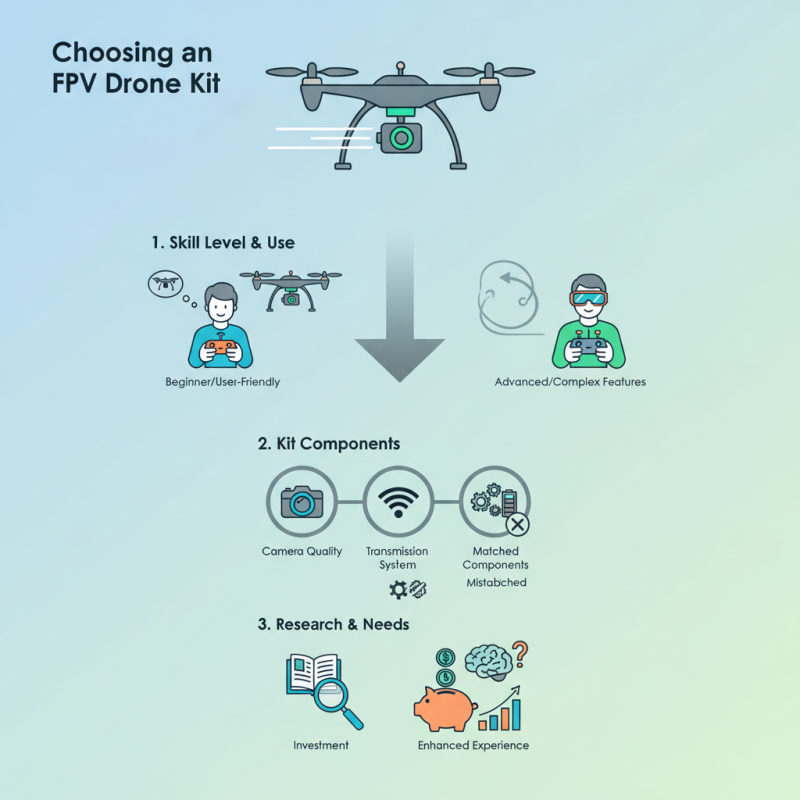
When selecting an FPV drone kit, consider your skill level and intended use. Many beginners struggle with complex kits filled with advanced features. A straightforward, user-friendly FPV drone kit might lead to a more enjoyable experience. Reports indicate that nearly 40% of new drone pilots abandon the hobby due to equipment confusion.
Pay attention to the components included in the kit. Higher-quality cameras and more reliable transmission systems can elevate your flying experience. A mismatched combination can lead to technical issues. Many pilots report feeling frustrated when their equipment does not perform as expected. Reflect on your needs and research thoroughly before investing in an FPV drone kit.
Factors to Consider When Selecting an FPV Drone Kit
Choosing the right FPV drone kit can greatly enhance your flying experience. It's essential to consider various factors. Start with your skill level. If you're a beginner, a user-friendly kit is crucial. Look for drones that are easy to assemble and operate. This minimizes frustration and boosts confidence.
Another important factor is the quality of the components. Focus on the camera resolution and flight time. A high-resolution camera can provide stunning visuals. Meanwhile, a longer flight time allows for extended adventures. You don’t want to be grounded due to a drained battery.
Tips: Check reviews and forums for user experiences. This can give you insight into reliability. Also, consider the availability of replacement parts. You may need them down the line. Remember, not every kit is perfect for everyone. Reflect on what you value most in your flying experience. It’s a personal journey, so take your time to choose wisely.
Understanding Different Types of FPV Drones Available
When diving into the world of FPV drones, understanding the different types available is crucial. There are racing drones, ideal for high-speed competitions. These drones are lightweight and designed for agility. They often come with features that enhance control and responsiveness.
Freestyle drones, on the other hand, allow for more cinematic flying. They can perform flips and tricks, which adds excitement to the experience.
Then there are camera drones. Their focus is on capturing stunning aerial footage. They typically come with high-resolution cameras and stabilization features. However, they may not be as maneuverable as racing or freestyle drones. Each type serves a unique purpose and has its own set of challenges.
Choosing an FPV drone kit also means considering the control system. Some kits come with advanced remote controls. Others may have simpler setups, which can be easier for beginners. Always think about the learning curve. Investing in a more advanced kit can be overwhelming at first. You might feel lost trying to keep up. Balancing your skill level with your enthusiasm is essential for a positive flying experience.
Essential Components Included in FPV Drone Kits
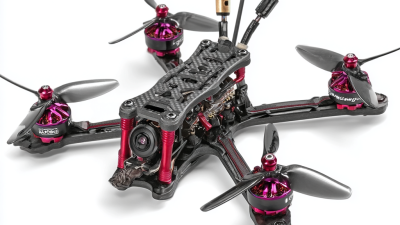
When choosing an FPV drone kit, knowing the essential components is crucial. A typical kit includes a drone frame, motors, electronic speed controllers (ESCs), and a flight controller. These parts work together to ensure stable flight and responsive handling. The quality of each component greatly influences your flying experience.
The camera and video transmitter are equally important. They provide real-time footage to the pilot. Look for high-resolution options for better clarity. Make sure the transmitter has a good range. This helps avoid losing signal during flights. Don't underestimate the battery choice, either. A powerful battery extends flight time and improves performance.
Tips: Consider your skill level when selecting components. Beginners may need simpler parts to build confidence. Advanced pilots might prefer customizable options for a more tailored experience. Choosing a kit that matches your needs is essential. Mistakes are common, so reflect on each flying session. Analyze what worked and what didn't for continuous improvement.
Evaluating Your Skill Level and Flying Goals
When choosing an FPV drone kit, evaluating your skill level is crucial. Beginners often feel overwhelmed by complex features. It’s essential to select a kit designed for ease of use. According to recent industry reports, about 40% of new drone pilots abandon the hobby due to frustration with technical aspects. Opt for user-friendly controls and basic flight modes to enhance your initial flying experience.
Flying goals also play a significant role in kit selection. Are you interested in racing, aerial photography, or just casual flying? Each type requires different features. For instance, racers might prefer lightweight drones, while photographers need stable, high-resolution cameras. A survey showed that 60% of drone enthusiasts focus on specific flying goals, leading to better purchases.
Tips to consider:
- Start with a simulator before flying real drones. This helps in practicing without risks.
- Look for community forums where enthusiasts share advice. They can offer insights that reports may overlook.
- Choose a kit with upgrade options. This allows improvement as your skills develop.
Evaluate your preferences seriously. Ensure the kit aligns with what you enjoy. Mistakes are a part of learning. Embrace them.
Budgeting for Your FPV Drone Kit and Accessories
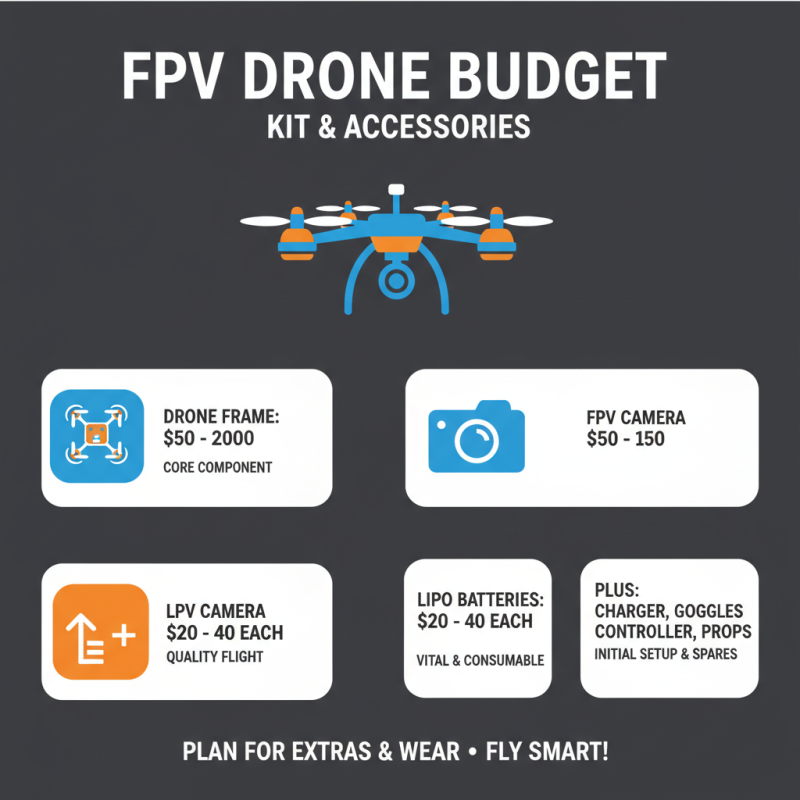
When budgeting for your FPV drone kit, consider the core components you need. A decent drone frame can cost between $50 and $200. Don’t forget the camera. High-quality options range from $50 to $150. These are essentials that can significantly impact your flight experience. Good batteries are vital too; plan to spend $20 to $40 each. Over time, batteries wear out, and you may need more than you initially buy.
Accessories like goggles and controllers can vary widely in price. Expect to pay anywhere from $50 to $400 for goggles. It can be hard to choose! Ensure they’re comfortable. Controllers often cost similar amounts. Remember to budget for spare parts. Crashes happen, especially for beginners. Don’t overlook small things like props or mounting tools. They add up.
Ultimately, reflect on what you value in an FPV experience. Cheaper components may not provide the best performance. If you compromise too much, you might end up frustrated. Set a realistic budget and stick to it. Getting the right parts takes time and patience. Invest wisely to enjoy flying.