How to Choose the Best Fixed Wing Hybrid Drone for Your Needs?
In recent years, the use of Fixed Wing Hybrid Drones has been gaining traction across various industries. These drones combine the benefits of fixed-wing efficiency with the versatility of multi-rotor designs. According to a report by MarketsandMarkets, the drone market is projected to reach $43 billion by 2024, highlighting significant growth in this sector. This makes understanding how to select the right Fixed Wing Hybrid Drone crucial for businesses.
Choosing the best drone requires evaluating specific needs and applications. For instance, longer flight times and wider coverage areas are essential for agricultural monitoring or infrastructure inspection. However, the complexity of features can overwhelm users. A poorly chosen drone may not meet operational requirements, leading to inefficiencies. Considering factors like payload capacity and flight duration is vital.
Another aspect to consider is the reliability of drone manufacturers. Reports indicate that good maintenance and support are key for long-term success. While many brands promise high performance, users must remain cautious. An informed choice hinges on balancing features with practicality. A well-chosen Fixed Wing Hybrid Drone not only enhances productivity but also ensures safety and compliance in its operations.
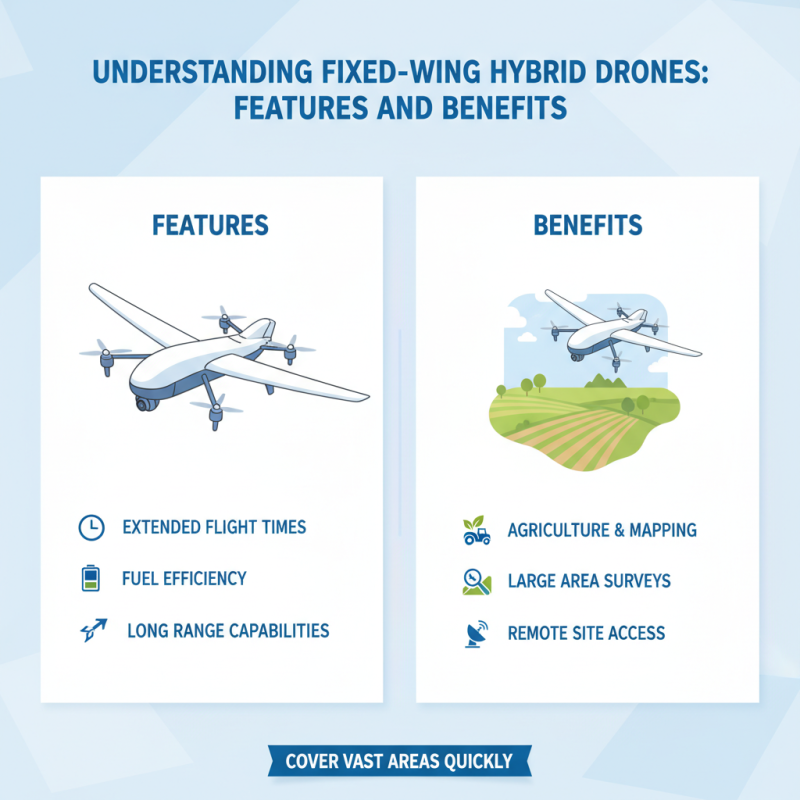
Understanding Fixed Wing Hybrid Drones: Features and Benefits
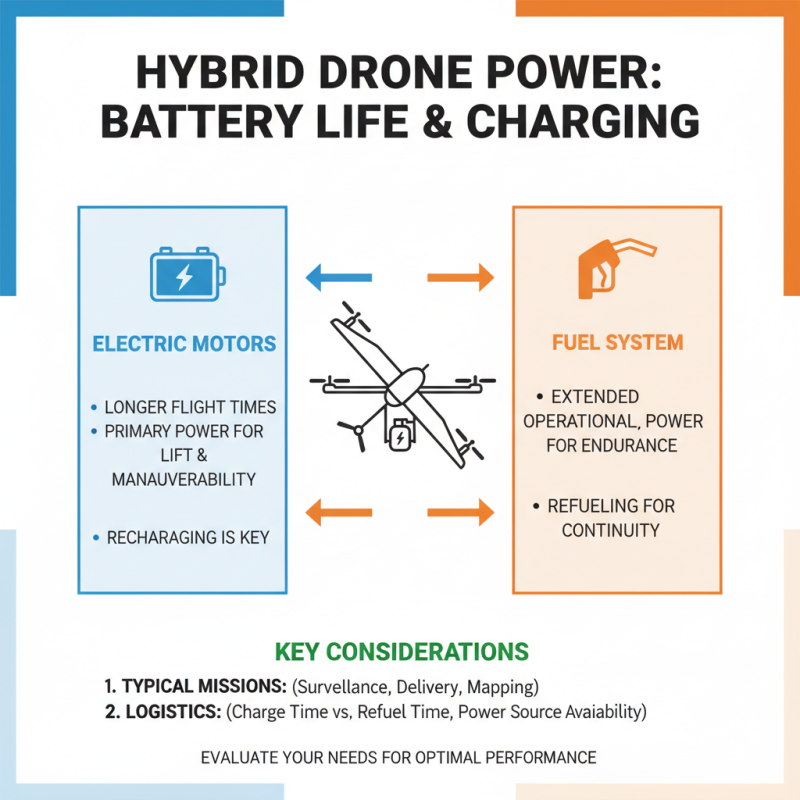
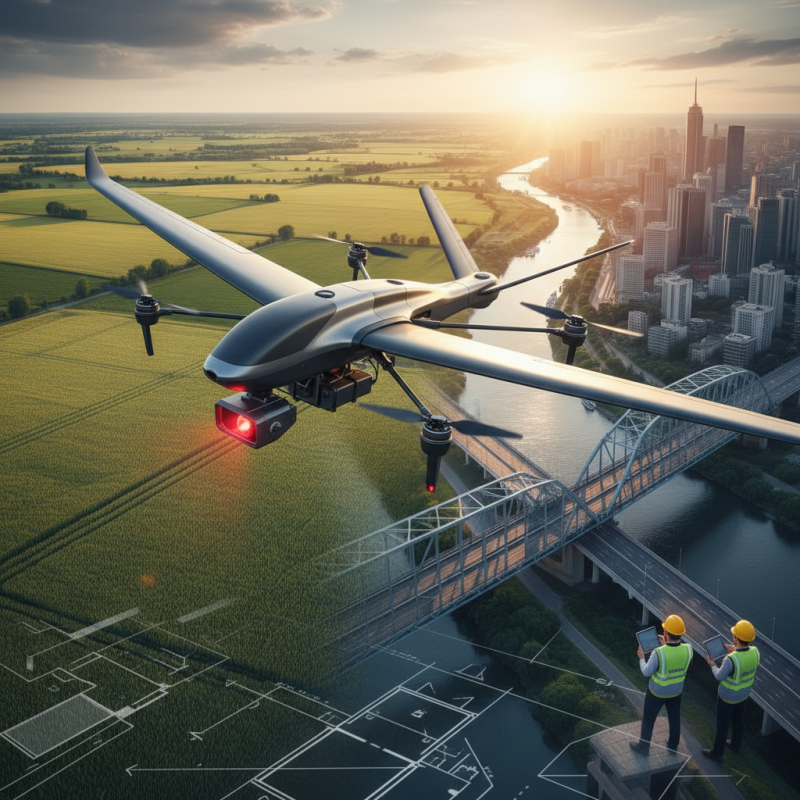
Fixed wing hybrid drones combine the advantages of both fixed-wing and multirotor designs. This innovative technology offers impressive flight times and efficiency. They can cover vast areas quickly, making them ideal for tasks like agriculture and surveying. Their extended range allows operators to reach remote sites without frequent recharging.
These drones feature unique designs that enhance durability and performance. Many have efficient energy systems that help maintain stability in varying weather conditions. However, choosing the right model requires understanding specific needs. Evaluating payload capacity is essential for efficient task completion. Also, consider the ease of operation; some models have steep learning curves. Finding a balance between ease of use and advanced features can be challenging.
In addition to performance, maintenance is a critical factor. Regular check-ups can prevent costly repairs and ensure reliability during missions. It's crucial to stay informed about software updates and necessary hardware adjustments. Selecting the perfect hybrid drone demands an assessment of both current and future needs. This means planning for changes in technology and user experience. Understand that no drone is perfect; each has its own set of pros and cons. The decision-making process involves reflecting on these aspects carefully.
Evaluating Flight Performance: Range, Speed, and Stability
When evaluating a fixed-wing hybrid drone, flight performance is key. Focus on range, speed, and stability. A drone's range typically varies from 10 to 100 miles. This is influenced by battery capacity and weight. For instance, many professional models can achieve about 30 miles of flight distance with optimal conditions. However, real-world factors like wind can decrease this significantly.
Speed is another crucial aspect. Many hybrid drones fly between 20 to 60 mph. However, manufacturers often report top speeds that are not consistently attainable. Wind resistance and payload weight can limit actual performance. Stability is also vital for effective data collection, especially in windy conditions. A drone that wobbles can lead to poor-quality images or sensor data. According to a recent industry study, 75% of users cited stability issues during adverse weather conditions.
Experience shows that selecting a drone requires careful consideration of these factors. Understand your specific needs. Consider how often you’ll face challenging flying conditions. Data indicates that up to 40% of drone accidents occur due to stability failures. Therefore, stability should be among the top priorities in your choice. Keeping these metrics in mind will help ensure that your selected drone meets both your performance needs and the demands of your operational environment.
How to Choose the Best Fixed Wing Hybrid Drone for Your Needs? - Evaluating Flight Performance: Range, Speed, and Stability
| Model |
Range (miles) |
Max Speed (mph) |
Stability Rating (1-10) |
| Hybrid Eagle |
15 |
40 |
9 |
| Sky Ranger |
12 |
35 |
8 |
| Aero Hawk |
18 |
45 |
10 |
| Vigilant Sentry |
10 |
30 |
7 |
| Swift Falcon |
20 |
50 |
9 |
Assessing Payload Capacity and Compatibility for Your Needs
When selecting a fixed-wing hybrid drone, understanding payload capacity is crucial. This refers to the maximum weight the drone can carry during flight. Different use cases require different payloads. For instance, agricultural monitoring may need sensors and cameras, while search and rescue operations might require medical supplies. Evaluating your specific needs helps in determining the right capacity.
Compatibility with existing equipment is another important factor. Consider the devices or sensors you plan to use. Ensure the hybrid drone can support them. Many drones have standard mounts and connections, but not all are universally compatible. Researching the specifications is essential to avoid potential issues.
Underestimating payload needs can lead to compromised performance. A drone carrying too much can struggle to maintain flight stability. Testing with varying weights can provide insights into your drone's limits. Gathering feedback from experienced users may also highlight nuances in payload handling and compatibility that specifications overlook. By focusing on these aspects, you can better align your drone choice with your operational goals.
Payload Capacity Comparison of Fixed Wing Hybrid Drones
This bar chart compares the payload capacity of various fixed-wing hybrid drones. Each drone offers different payload options, which are essential for customers to consider based on their specific needs.
Price vs. Value: Making an Informed Purchase Decision
When considering a fixed wing hybrid drone, price and value are crucial. According to industry reports, the average price range for these drones lies between $1,500 to $20,000. Selecting the right one requires assessing your specific needs. Higher-priced models often boast advanced features, but they might not be necessary for every user. It's essential to weigh your actual requirements against the investment cost.
Value is about functionality versus budget. A drone may offer excellent specifications but fail to meet your particular needs. For instance, a study by the Drone Industry Insights found that 45% of users regret overspending on features they never utilized. This reveals a disconnect between price and actual use. Understanding your operational goals can guide you in making a more informed decision that balances quality and cost-effectiveness.
Moreover, consider the total cost of ownership. Maintenance, spare parts, and software updates can add to your expenditure. Less expensive drones may initially seem appealing but may incur hidden costs over time. In the end, investing in a drone that aligns closely with your operational needs can lead to better long-term satisfaction and performance. Tracking these considerations will provide clearer insight into whether you're getting true value from your purchase.