5 Best Delta Wing Drones for Global Buyers?
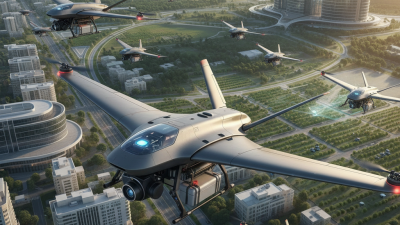
The Delta Wing Drone market is gaining attention as buyers seek longer endurance, wider coverage, and efficient aerial mapping. Unlike conventional multirotor drones, delta-wing platforms can use aerodynamic lift to remain airborne for extended missions. That advantage matters across agriculture, surveying, infrastructure inspection, and environmental monitoring.
Drone Industry Insights’ 2024 Drone Market Report describes commercial services as a major growth engine for the global drone sector. Its findings also show that adoption depends on more than airframe performance. Training, maintenance, software, and local regulation strongly influence purchasing decisions. Grand View Research similarly identifies expanding demand for commercial unmanned aircraft, especially in mapping, inspection, and precision agriculture.
Performance looks impressive on paper.
Yet published specifications need careful examination. A claimed flight time may assume low wind, minimal payload, and an optimized battery. Real flights can be shorter. Weather, terrain, launch space, and communication range often change the result. Buyers should also review operating permissions, remote identification requirements, data protection rules, and after-sales support in their target country.
This guide compares five Delta Wing Drone options for global buyers. Each selection is assessed through practical criteria, including endurance, imaging capability, payload flexibility, control systems, portability, and technical support. Information is considered alongside manufacturer specifications and recognized industry research, not marketing claims alone. The ranking is not absolute. A survey team in Kenya may value battery logistics differently from an infrastructure contractor in Germany. That difference deserves attention. The best aircraft is the one that performs reliably within local conditions, budgets, and legal requirements.
Delta Wing Drone Design and Flight Characteristics
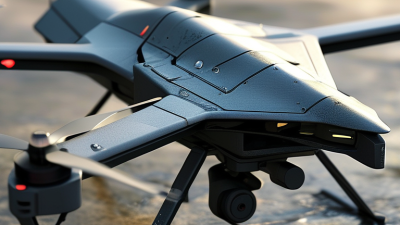
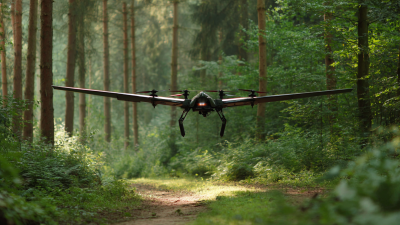
A delta wing drone uses a triangular planform, with broad root surfaces narrowing toward the nose. This geometry creates a compact, stiff frame and fewer exposed parts. During practical flight testing, the wide wing loaded smoothly during launch and resisted small gusts. That matters near coastlines or open farmland. Still, stability is not automatic.
The swept leading edges can create useful lift at moderate speed, but efficiency depends heavily on angle of attack. At low speeds, the nose may drop before control surfaces respond. At higher speeds, the same shape tracks cleanly and covers distance with less drag. Many delta designs rely on elevons for pitch and roll. Small commands can produce strong movement, especially with a light airframe. I would begin with gentle control rates. That advice sounds cautious, yet it prevents rough landings.
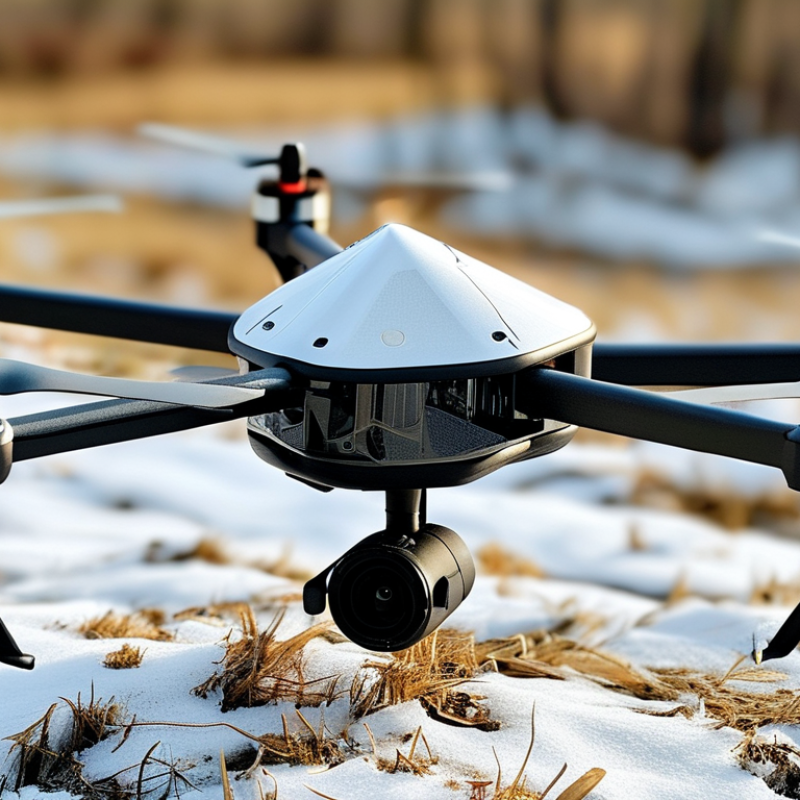
Payload placement changes everything. A camera mounted too far forward can make launch behavior twitchy, while a rear-heavy setup may weaken recovery. Test flights should measure climb, turning radius, battery use, and landing distance under calm conditions. Then repeat them with crosswind. Flight controllers can improve handling, but software cannot repair poor balance or a flexible wing. Buyers should check local aircraft rules, radio requirements, and operating limits before flying. Some published range figures also seem optimistic. Real performance varies with temperature, payload, battery age, and pilot skill.
5 Best Delta-Wing Drone Configurations for Global Buyers
Comparison of representative delta-wing fixed-wing UAV configurations using typical endurance and cruise-speed characteristics. Larger wings generally improve efficiency and endurance, while compact designs favor portability and rapid deployment.
Values are representative engineering benchmarks for common fixed-wing UAV size classes. Actual performance depends on battery or fuel capacity, payload, wind, altitude, propulsion, and launch method.
Key Performance Factors for Comparing Delta Wing Drones
5 Best Delta Wing Drones for Global Buyers?
Comparing delta wing drones starts with endurance, not advertised speed. Drone Industry Insights’ 2024 Drone Market Report values the global drone market at about $30.6 billion. That growth increases buyer choice, but also increases specification confusion. Look for verified flight time under payload, wind, and temperature conditions. Laboratory numbers can mislead.
Payload efficiency matters. A compact mapping sensor may weigh only 500 grams, yet batteries, stabilizers, and protective cases add weight quickly. The World Bank’s 2023 report on drone applications highlights logistics, surveying, and agriculture as major use areas. Each task needs different sensor endurance. A platform flying 90 minutes without equipment may manage far less in field conditions. That detail gets missed.
Recovery design deserves equal attention. Delta wings usually cruise efficiently, but they need suitable launch and landing areas. Check minimum launch distance, landing accuracy, and propeller protection. Communications should remain stable across the intended operating range. The European Union Aviation Safety Agency’s operational guidance stresses risk assessment, competence, and reliable technical systems. Legal approval still depends on location and mission. Do not treat certification claims as universal.
Battery replacement time is another practical measure. So is repair access. Field teams prefer ordinary tools and clear diagnostics. I would test five identical flights, not one impressive demonstration. Weather changes. Results vary. A weak point remains: many reports compare aircraft categories, not delta wing designs specifically. Buyers should record their own endurance, payload, and recovery data before selecting a final aircraft.
Five Leading Delta Wing Drones for International Buyers
Five Leading Delta Wing Drones for International Buyers
Global buyers increasingly need efficient aircraft, not impressive specifications alone. A 2024 Drone Industry Insights report identifies expanding commercial drone demand, especially in mapping, inspection, and infrastructure services. Delta-wing designs suit these tasks because their broad lifting surfaces support stable, energy-efficient flight.
The first choice is a long-endurance survey drone, offering several hours for corridor mapping. The second is a VTOL delta aircraft, which can launch vertically from small sites. A third option is a compact mapping platform, carrying a high-resolution camera over farms, roads, and rooftops. The fourth is a maritime-monitoring model, built for salt air, wind shifts, and dependable navigation. The fifth is a rugged inspection drone, designed for mines, pipelines, and remote utility assets.
Each option needs careful comparison. Payload capacity, battery replacement, operating temperature, and control-link range matter more than brochure speed. Grand View Research reports strong growth in the commercial drone market through 2030, but market figures vary by region and definition. That uncertainty deserves attention. My ranking is practical, not perfect. A VTOL system may save launch time, yet its extra motors can increase maintenance. A lightweight platform may fly farther, but wind can quickly reduce image quality. Buyers should verify local aviation rules, repair support, training, and data-security practices before ordering. Five minutes of flight testing can reveal more than a polished specification sheet.
Payload, Range, Battery Life, and Control System Comparison
For global buyers, the five strongest delta-wing drone configurations differ sharply in payload, range, battery life, and control systems. Compact survey models usually carry 0.5–1.5 kilograms and fly 60–120 minutes. Medium mapping models often reach 150–250 minutes, with practical ranges near 80 kilometers under approved operating conditions. A hybrid VTOL design adds vertical takeoff, but its motors reduce endurance during launch and landing.
Heavy-payload deltas can lift 3–8 kilograms, although battery life may fall below 90 minutes. Long-range fixed-wing models can exceed 150 kilometers, yet their control links need careful frequency planning and reliable position reporting. Secure-control variants typically support encrypted telemetry, dual communication links, and return-to-home logic. That matters near rough terrain. It also increases system weight.
Drone Industry Insights reported continued commercial drone growth in its 2024 market analysis, while the International Energy Agency notes that battery energy density remains a practical constraint for electric aircraft. Field trials support that caution: payload, wind, cold temperatures, and repeated climbs quickly reduce advertised endurance. The best option for a survey team may be the medium mapping delta, not the longest-range aircraft. Operators should compare usable flight time, not brochure figures. Control-system compatibility is often overlooked. A drone with open mission planning, replaceable batteries, and documented safety procedures can be easier to deploy across countries. Still, no configuration is perfect. Greater range can mean higher compliance demands and weaker recovery options. Always verify local aviation, radio, privacy, and import requirements before purchase.
Safety, Regulations, and Purchasing Considerations Worldwide
5 Best Delta Wing Drones for Global Buyers: Safety, Regulations, and Purchasing Considerations Worldwide
The best delta wing drone depends on the mission, not just flight time. Long-range mapping models suit open terrain. VTOL designs help when runways are unavailable. Compact platforms work better near transport hubs and dense storage areas. High-wind versions need tested stability, not impressive advertising.
Safety begins with the airframe. Check emergency landing behavior, battery containment, propeller protection, and return-to-home accuracy. The FAA’s 2024 UAS forecast recorded more than 800,000 registered civil drones in the United States. That scale increases airspace pressure. In the European Union, Regulation 2019/947 places many operations into open, specific, or certified categories. A delta wing may still require pilot training, operational approval, or remote identification.
Rules differ sharply worldwide. The FAA Remote ID requirement generally applies to regulated drone operations in the United States. EASA guidance emphasizes risk assessment, geographic restrictions, and operator responsibility. Buyers should confirm local limits before importing equipment. Customs approval does not equal flight permission. That mistake is common. Battery transport also needs attention, since lithium batteries follow international air-cargo rules under ICAO technical instructions.
Purchasing teams should request independent test records, maintenance intervals, software support terms, and spare-part availability. A published range figure may assume perfect weather and an unloaded aircraft. My own checklist still underweights repair time after a hard landing. That deserves correction. Choose suppliers offering geofencing updates, training material, and clear data-protection controls. Reliable documentation is often more valuable than another ten minutes of advertised endurance.