How to Choose the Best Drone UAV for Your Needs in 2025
Choosing the right Drone UAV for your specific needs can be a daunting task, especially with the rapid advancements in technology and diverse applications emerging each year. As we move further into 2025, understanding the key features and functions of various drone models is more critical than ever. Whether you are an enthusiast looking for a recreational flying experience, a professional in need of high-quality aerial photography, or an enterprise aiming to enhance operational efficiency, identifying the right Drone UAV will significantly influence your success.
In this guide, we will explore the factors that will help you navigate the evolving landscape of drone technology. From payload capacity and flight time to camera quality and ease of use, each consideration will play a vital role in ensuring that the Drone UAV you choose aligns perfectly with your requirements. Furthermore, as regulations and safety measures continue to develop, it's essential to stay informed about compliance and operational guidelines that can affect your drone experience. Engaging with the right information will empower you to make an informed decision that supports both your immediate needs and long-term aspirations in the world of unmanned aerial vehicles.
Identifying Your Purpose: Recreational vs. Professional Use of Drones
When choosing the best drone for your needs in 2025, it's crucial to identify your primary purpose: recreational or professional use. According to a recent industry report by MarketsandMarkets, the global drone market is expected to reach $42.8 billion by 2025, with significant growth attributed to the increasing adoption in various sectors, including agriculture, construction, and cinematography. Understanding whether your goal is leisure or professional can drastically narrow down your options and enhance your drone experience.
For recreational users, factors such as ease of use, flight time, and camera capabilities are paramount. You may want a user-friendly drone that provides a fun flying experience and decent image quality for personal hobbies. Reports suggest that around 60% of drone users are hobbyists, and they primarily seek drones that offer stable flight and good battery life.
**Tips:** When selecting a recreational drone, look for models that offer “one-key take-off/landing” features and characteristics that enhance stability, such as GPS and altitude hold functions.
Conversely, for professional use, you need to consider additional features such as payload capabilities, advanced imaging technology, and compliance with aviation regulations. Professionals often require drones equipped with high-resolution cameras and specialized sensors. A Drone Industry Insights report indicates that 70% of commercial operators prioritize features that enable data collection and mapping capabilities.
**Tips:** Professionals should focus on drones with robust software integration and advanced flight planning tools to optimize workflow efficiency and data capture accuracy.
Key Features to Consider When Selecting a Drone UAV for 2025
When choosing the best drone UAV for your needs in 2025, several key features should guide your decision-making process. One of the most important aspects to consider is the drone's camera quality. As aerial photography and videography continue to gain popularity, drones equipped with high-resolution cameras and advanced stabilization systems will allow users to capture stunning images and videos. Look for features such as adjustable gimbal systems and the capability to shoot in 4K or higher resolution to meet your creative demands.
Another crucial factor is the flight time and range of the drone. As battery technology improves, many UAVs in 2025 are expected to offer longer flight times, which directly affects how far and for how long you can operate your drone. Selecting a model with at least 30 minutes of flight time and a range of several kilometers will provide you with the flexibility to explore larger areas without the constant need for recharging or returning to base. Additionally, consider advanced features like GPS functionality, obstacle avoidance systems, and autonomous flight modes, which can significantly enhance the user experience and ensure safe operation.
Drone UAV Key Features Comparison for 2025
Comparing Different Drone Types: Multirotors, Fixed-Wings, and Beyond
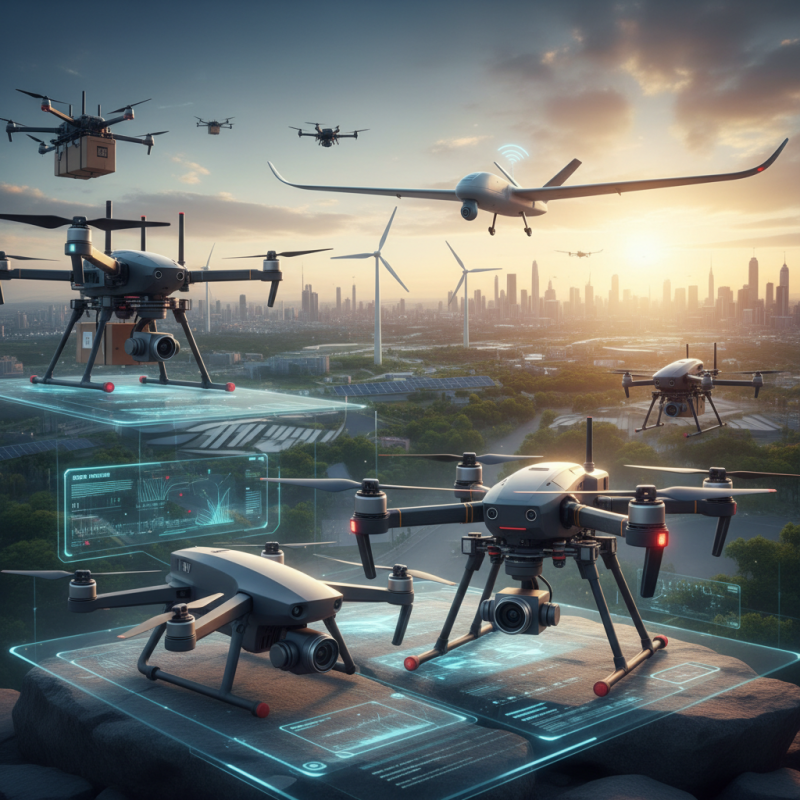
When choosing the best drone for your specific requirements in 2025, it's crucial to understand the various types available, particularly multirotors and fixed-wing drones. Multirotors, characterized by their helicopter-like design, offer exceptional maneuverability and ease of control, making them ideal for tasks such as photography, surveying, and inspection. Their ability to hover in place allows for detailed inspections of infrastructure or capturing stunning aerial images without the need for extensive flight paths. Additionally, multirotors are generally user-friendly, catering to both beginners and experienced pilots.
On the other hand, fixed-wing drones provide distinct advantages for long-distance travel and greater endurance. These drones resemble traditional airplanes and are designed for efficient aerodynamics, allowing them to cover larger areas with minimal energy consumption. This makes them particularly suitable for agricultural monitoring, wildlife surveys, and mapping large geographical regions. While they may require more intricate takeoff and landing procedures compared to multirotors, their ability to stay airborne longer and survey more ground makes them invaluable for specific applications. Understanding these differences is key in selecting the right drone type that aligns with your operational needs and goals.
Budgeting for Your Drone Purchase: Costs and Value Analysis
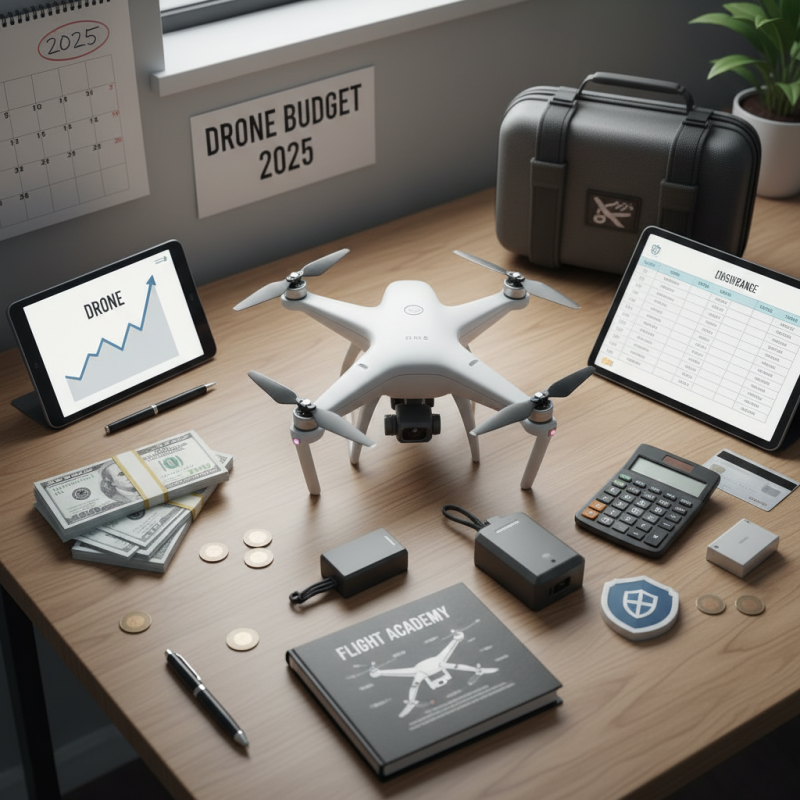
When planning to purchase a drone in 2025, budgeting is one of the most crucial steps. Potential buyers should consider a variety of costs beyond the initial price of the drone itself. These expenses may include accessories such as extra batteries, carrying cases, maintenance supplies, and training costs if you are new to flying drones. It's essential to evaluate the full cost of ownership, including insurance and potential repair costs, to ensure that your budget aligns with your drone-related activities.
Tips: Before you start shopping, research the features that are most important for your intended use. For instance, if aerial photography is your goal, prioritize drones with high-quality cameras and stabilization features. Conversely, if you’re into racing or recreational flying, a cost-effective model with good speed and maneuverability may suit you better. Make sure to compare different models and read reviews to understand their value in relation to your budget.
Additionally, consider the potential resale value of the drone you're interested in. Technologies evolve rapidly, and what seems affordable now might depreciate quickly. Avoid overspending on features you may not use, and instead focus on models that meet your basic needs while still maintaining a good resale value, should you decide to upgrade in the future. Always keep in mind that a well-planned budget can lead to better investment in your drone experience.
Regulatory Considerations: Legal Requirements for Drone Operation in 2025
As you consider choosing the best drone for your needs in 2025, one of the most critical aspects to focus on is the regulatory landscape governing drone operations. Each region has established specific legal requirements that dictate how and where drones can be flown. Familiarizing yourself with these regulations is essential to ensure compliance and avoid potential legal issues. In 2025, expect a continued evolution of these laws, including guidelines on airspace usage, registration requirements, and safety protocols that must be adhered to by all drone operators.
Additionally, new regulatory frameworks may introduce restrictions on drone capabilities based on their intended use. For instance, commercial operations might need different certifications compared to recreational use. Understanding these distinctions can guide you in selecting a drone that aligns not only with your flying preferences but also with the necessary legal compliance. Furthermore, keeping abreast of any changes in legislation and participating in necessary training or certification programs will help ensure that you operate within the bounds of the law, ultimately promoting safer usage of UAV technology in various applications.