What is a Big Drone? Understanding the Benefits and Uses of Large UAVs
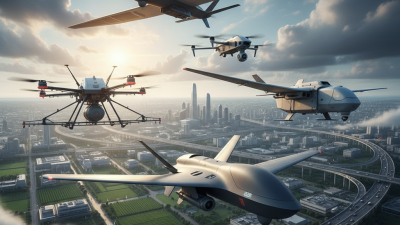
In recent years, the landscape of unmanned aerial vehicles (UAVs) has witnessed a significant transformation, with "Big Drones" emerging as a pivotal force in various industries. These larger-than-life UAVs offer unprecedented capabilities that are reshaping the way we approach tasks ranging from agricultural monitoring to infrastructure inspection. The increasing adoption of big drones can be attributed not only to their enhanced payload capacities but also to their ability to cover vast areas quickly and efficiently.
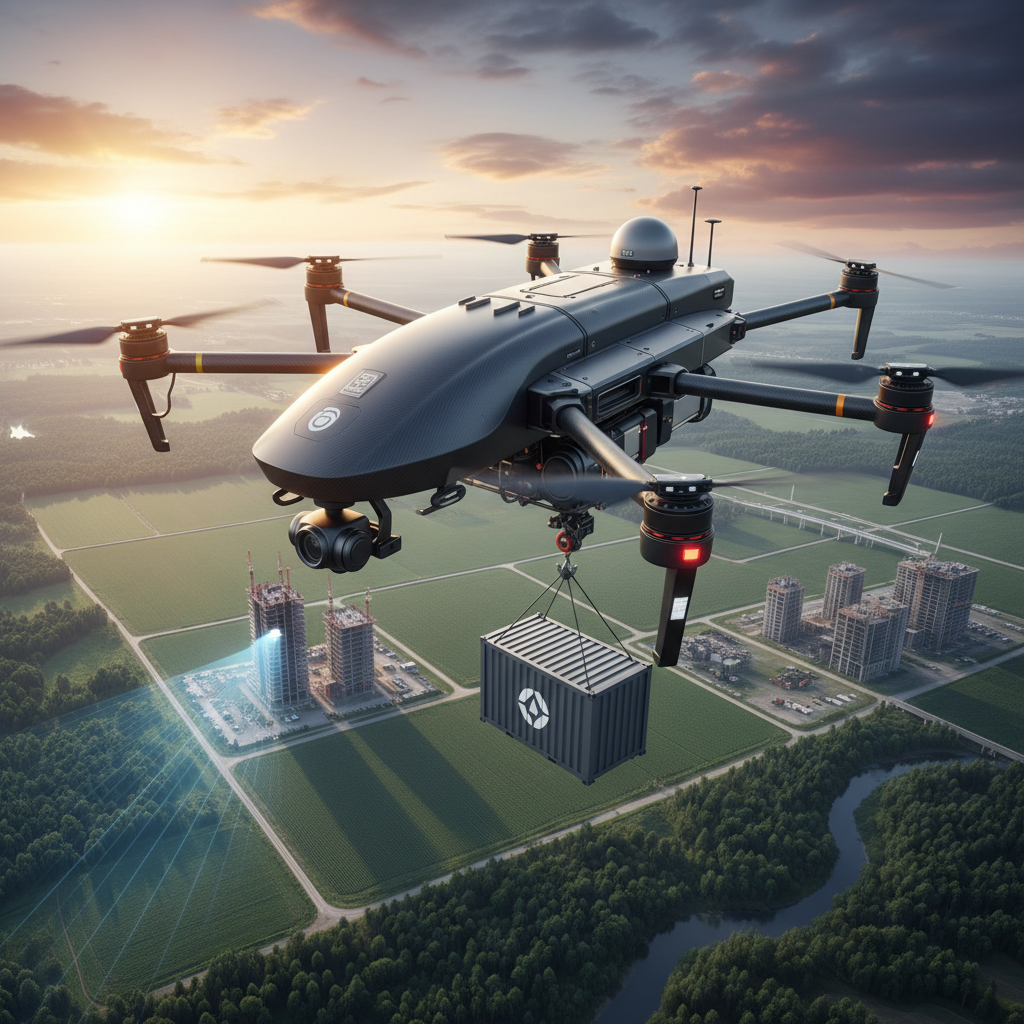
The benefits of big drones extend far beyond their size. They are equipped with advanced technologies such as high-resolution cameras, LIDAR systems, and thermal imaging, enabling them to gather and transmit invaluable data in real-time. This technological prowess has opened up new avenues for industries like logistics, construction, and environmental monitoring. As businesses seek more innovative and effective solutions, understanding the specific uses of big drones and their advantages becomes essential for leveraging their full potential.
As we delve deeper into the world of big drones, it's crucial to grasp not only the operational benefits but also the future trends and applications that are likely to emerge. This exploration will highlight how big drones are poised to revolutionize numerous sectors, setting a new standard for efficiency and accuracy in aerial operations.
What Constitutes a Big Drone? Defining Large Unmanned Aerial Vehicles
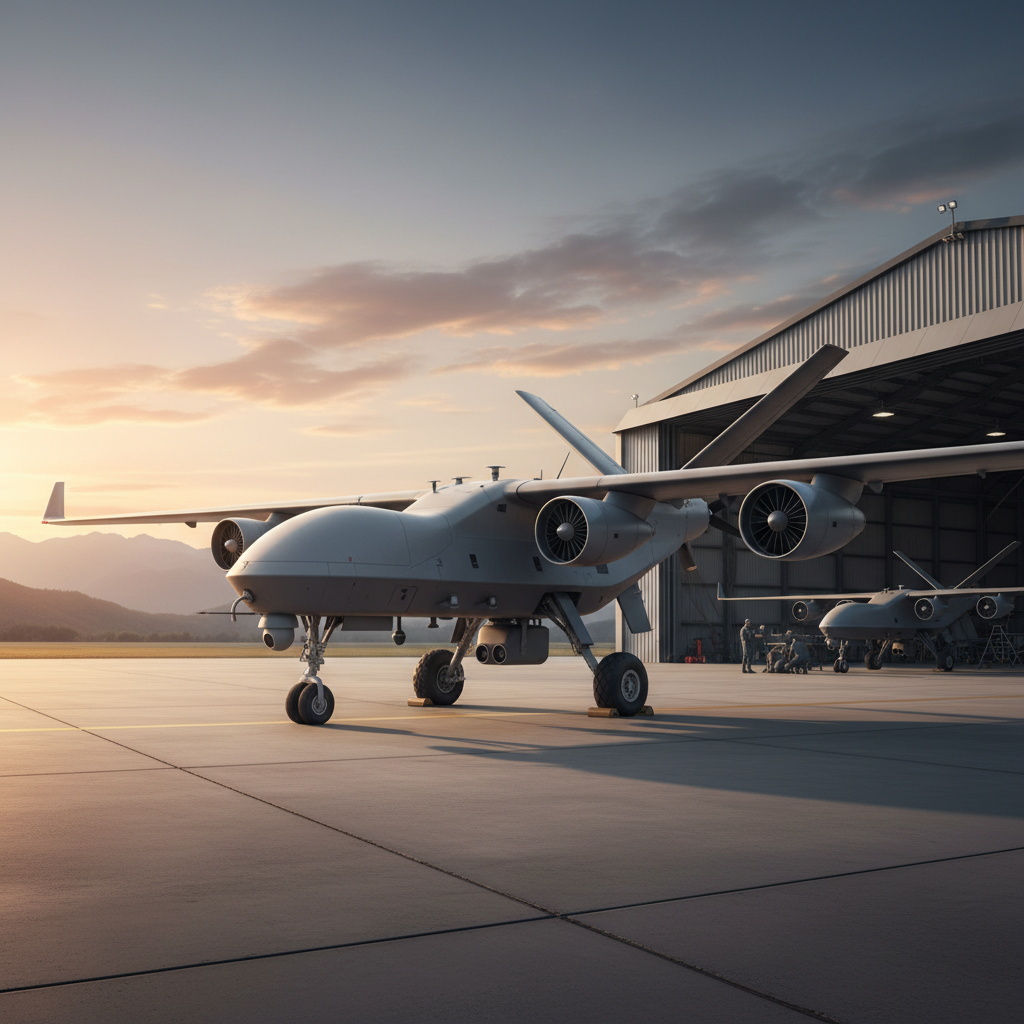
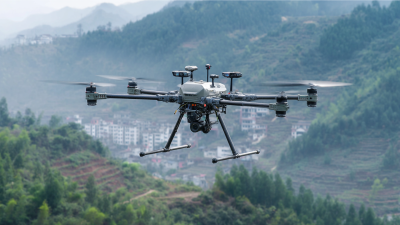
When defining what constitutes a "big drone," it is essential to consider several factors, including size, weight, and operational capabilities. Generally, large unmanned aerial vehicles (UAVs) refer to those with a wingspan exceeding 5 meters or a weight greater than 25 kilograms. These thresholds can vary by region and specific regulations, but they usually denote drones that can carry substantial payloads, including advanced sensors, cameras, or even cargo.
The benefits of large drones are significant, as they can perform a variety of complex tasks that smaller drones cannot. For instance, they are often used in commercial applications like agricultural monitoring, infrastructure inspection, and large-scale mapping projects due to their extended flight times and improved stability while in the air. Additionally, large drones can be equipped with sophisticated technology, which enhances their functionality for tasks such as search and rescue missions or delivery services. Their ability to cover vast areas efficiently makes them invaluable assets in industries requiring comprehensive data collection and analysis.
Key Market Trends: The Rapid Growth of Large Drone Applications in Various Sectors
The market for large drones, particularly in various sectors such as commercial, industrial, and military applications, is witnessing significant expansion. With the rapid growth in demands for aerial logistics, surveillance, and data collection, the adoption of large UAVs is reshaping industries worldwide. Consumer preferences for advanced features and capabilities are driving innovations, leading to an increased market share for industrial and military drones. By 2037, the market is projected to reflect a notable uptick in drone applications, driven by technological advancements and growing acceptance across sectors.
In line with this, the drone charging station market is also set for substantial growth. Expected to reach $490 million by 2024, the market could climb to $1.1 billion by the end of 2037, indicating a robust demand for supporting infrastructure as drone usage escalates. This growth highlights the critical need for reliable energy solutions for drones as they become integral to operations in various industries. By understanding these trends, stakeholders can align their strategies to tap into the burgeoning potential of large drones and their supporting ecosystems.
Advantages of Big Drones: Efficiency and Cost Savings in Commercial Operations
Large unmanned aerial vehicles (UAVs), commonly known as big drones, are rapidly gaining traction for various commercial operations, particularly in agriculture. As the deployment of drone technology continues to grow, it is projected that over 30% of large farms worldwide will incorporate these advanced tools by 2025. The efficiency of big drones significantly enhances agricultural practices, enabling farmers to monitor crops, assess soil health, and optimize resource usage with unprecedented precision. This results in better yields and lower operational costs, establishing a compelling case for their integration in farming.
In addition to agriculture, the advantages of big drones extend to other sectors such as logistics and infrastructure management. Businesses are leveraging drone technology for tasks like delivery services and inspections, which not only save time but also reduce the labor costs associated with manual processes. With the integration of AI and advanced location technology, drone inspections can minimize risks and improve operational efficiencies, further amplifying cost savings. As industries prioritize efficiency and innovation, big drones are becoming a critical asset that drives significant benefits across various commercial applications.
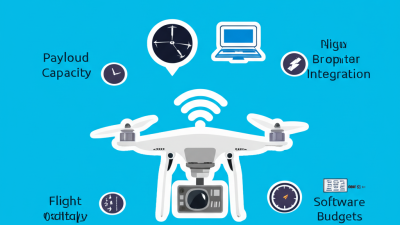
Efficiency and Cost Savings in Large Drone Operations
Comparative Analysis: Large UAVs vs. Traditional Aircraft in Transportation and Delivery
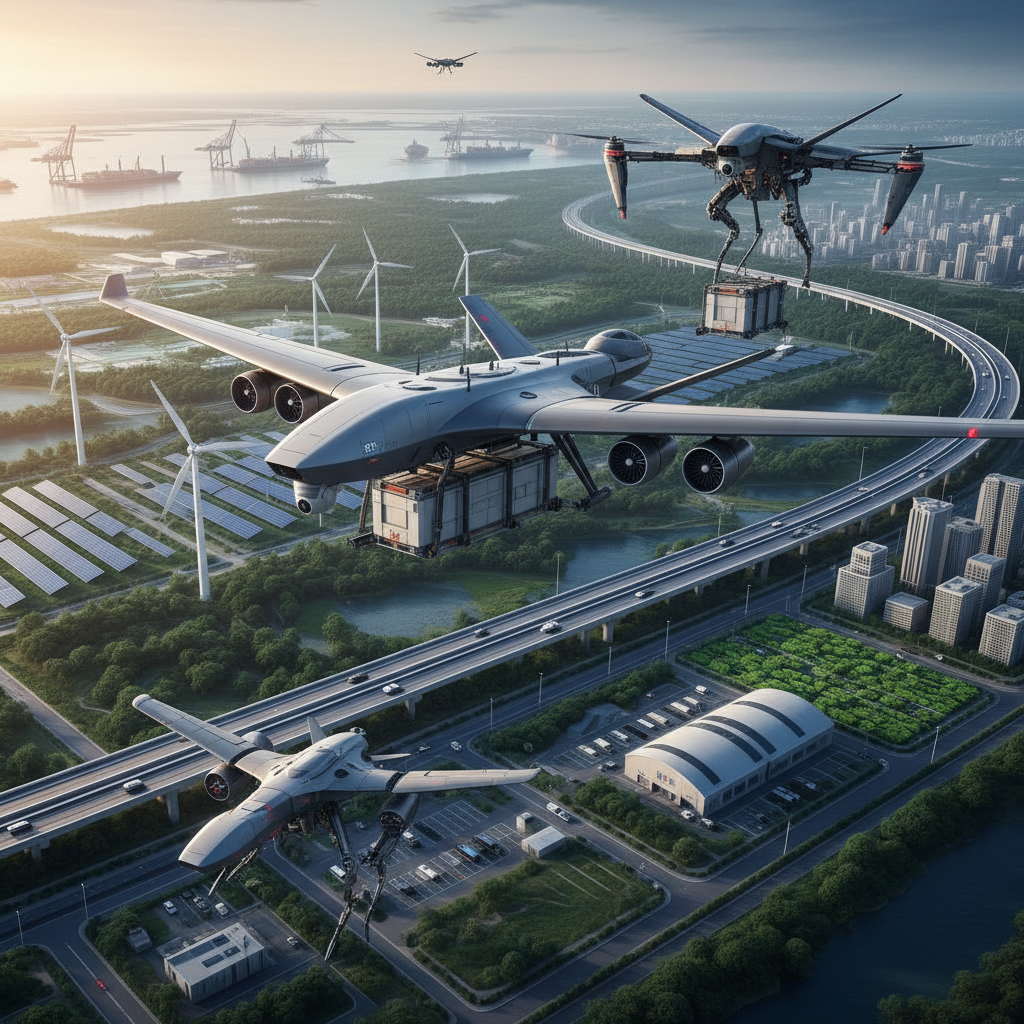
The advent of large unmanned aerial vehicles (UAVs) has transformed the logistics and transportation sectors, offering distinct advantages over traditional aircraft. One of the primary benefits of large drones is their versatility; they can transport a variety of payloads, from medical supplies to commercial goods, without the need for extensive flight crews. This adaptability allows for rapid deployment and cost-effective operations, particularly in remote or underserved areas where conventional transportation methods may be lacking.
In a comparative analysis, large UAVs typically have lower operational costs than traditional aircraft. They require less maintenance and can be equipped with advanced technology that enhances delivery efficiency. For example, UAVs do not need runways, allowing them to access hard-to-reach locations, while also minimizing air traffic congestion. Furthermore, the environmental footprint of large drones is often smaller due to their electric or hybrid propulsion systems, contributing to more sustainable transportation practices. As industries continue to explore the full potential of large UAVs, it becomes clear that they hold significant promise as a complementary solution alongside traditional aviation methods.
Future Innovations: Emerging Technologies in Big Drone Development and Usage
The development of large unmanned aerial vehicles (UAVs), commonly known as big drones, is rapidly advancing, with significant implications for various industries. Emerging technologies are reshaping the capabilities of these drones, enhancing their efficiency and expanding their applications. According to a recent report by MarketsandMarkets, the global UAV market is expected to reach $58.4 billion by 2026, with large drones accounting for a substantial portion of this growth due to their versatility and payload capacity.
Innovations such as autonomous flight systems, advanced navigation algorithms, and AI-driven data analysis are at the forefront of this transformation. For instance, companies like Boeing and Airbus are investing in hybrid electric propulsion systems, which can drastically increase the range and endurance of big drones, allowing them to perform longer missions in sectors like logistics, agriculture, and emergency response. Furthermore, the integration of 5G technology is enabling real-time data transmission, making it possible for large drones to operate in urban environments with improved safety and efficiency. As these technologies mature, we can expect to see an even greater diversification in the use cases for big drones, driving further innovation and adoption across multiple sectors.